Understanding the Hepatitis B test procedure can help reduce anxiety and ensure you feel prepared before getting tested. Whether the test is part of routine screening, pregnancy care, or follow-up for liver health, the process is simple, safe, and highly informative. This guide provides a clear step-by-step overview of how the Hepatitis B Test in Dubai is done, what to expect at each stage, and how the results are used for diagnosis and prevention.
Why Knowing the Test Procedure Is Important?
Many people delay testing because they are unsure about the process. Knowing how a Hepatitis B blood test works makes the experience less stressful and encourages timely screening. Since Hepatitis B can exist without symptoms, understanding the procedure supports proactive healthcare and early detection.
Step One: Medical Evaluation and Test Recommendation
The Hepatitis B test procedure usually begins with a medical consultation. A healthcare provider reviews your medical history, vaccination status, risk factors, and any symptoms related to liver disease. Based on this evaluation, they decide whether a single test or a full Hepatitis B panel is required.
This initial step ensures that the most appropriate tests are ordered and that results will be meaningful and accurate.
Step Two: Preparing for the Hepatitis B Test
In most cases, no special preparation is needed before a Hepatitis B test. Fasting is generally not required unless the test is being done alongside other blood work such as liver function tests.
It is important to inform your healthcare provider about medications, recent vaccinations, or previous Hepatitis B testing, as these factors can influence result interpretation.
Step Three: Blood Sample Collection
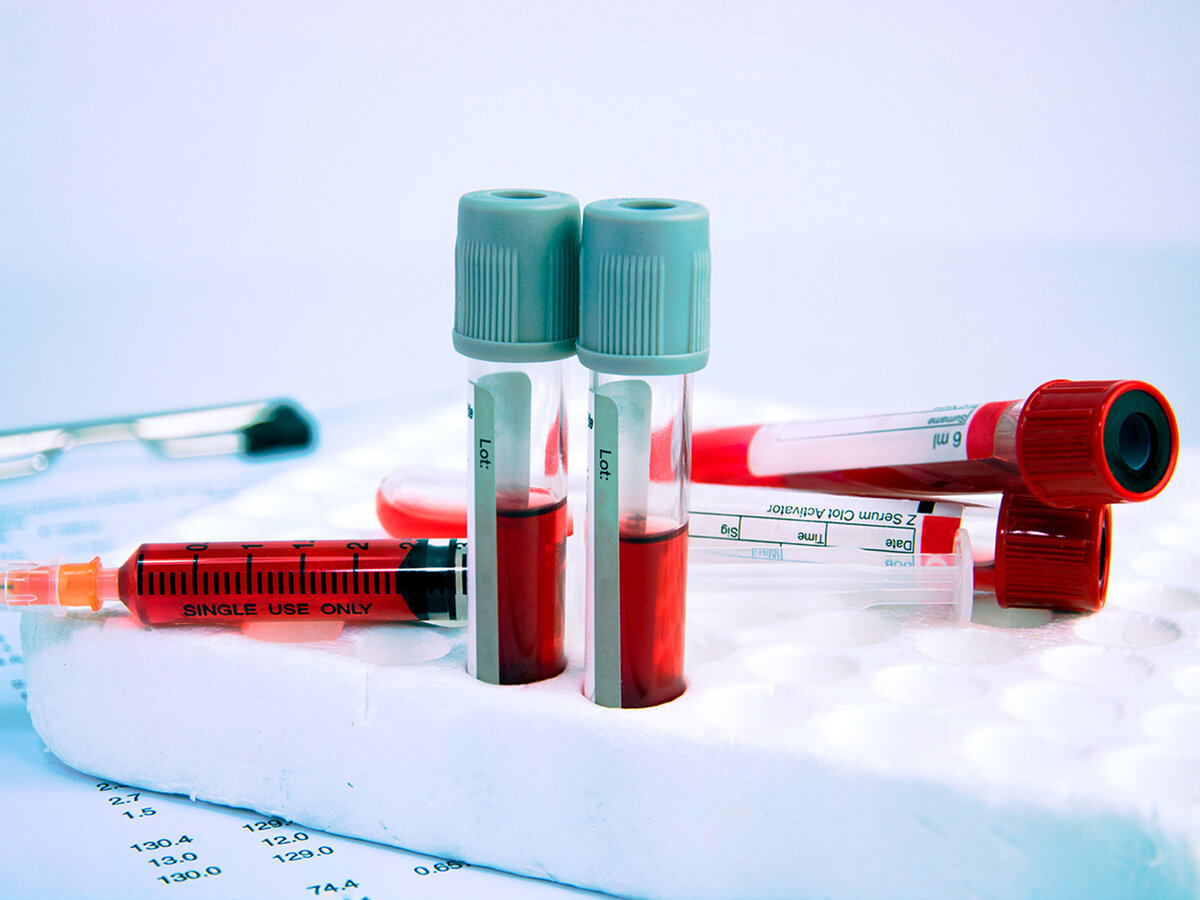
The core of the Hepatitis B test procedure is blood sample collection. A trained healthcare professional cleans the area, usually the inside of the elbow, and inserts a sterile needle into a vein to draw a small amount of blood.
The process typically takes only a few minutes and causes minimal discomfort. Once the sample is collected, it is labeled and sent to a laboratory for analysis.
Step Four: Laboratory Analysis of the Sample
In the laboratory, the blood sample is tested for specific Hepatitis B antigens and antibodies. These markers help determine whether the virus is present, whether there has been past exposure, or whether immunity exists.
Advanced laboratory techniques ensure high accuracy and reliability. A complete Hepatitis B test panel provides a comprehensive view of infection status and immune response.
Step Five: Waiting for Test Results
After the sample is analyzed, results are usually available within a few days. The waiting period can vary depending on the number of markers tested and laboratory processing times.
During this time, it is normal to feel anxious, but understanding that the test is highly accurate can provide reassurance.
Step Six: Reviewing and Interpreting Results
Once results are ready, a healthcare provider reviews them in detail. Rather than focusing on a single marker, they evaluate the combination of antigen and antibody results to determine infection status or immunity.
Results may indicate active infection, past exposure, immunity from vaccination, or susceptibility to infection. This step is critical for making informed health decisions.
Step Seven: Follow-Up Testing if Needed
In some cases, follow-up testing is recommended. This may be due to recent exposure, unclear results, or the need to monitor chronic Hepatitis B infection.
Repeat testing helps confirm diagnosis, assess viral activity, and track changes in liver health over time.
Step Eight: Next Steps After the Test
The final step in the Hepatitis B test procedure involves planning next steps based on the results. Individuals who are immune may not need further action. Those who are not immune may be advised to receive vaccination.
If an active infection is detected, additional tests such as liver enzyme measurements or viral load testing may be recommended to guide treatment and monitoring.
Safety and Comfort During the Test:
The Hepatitis B blood test is considered very safe, with minimal risk. Some people may experience mild bruising or soreness at the needle site, which usually resolves quickly.
Following standard medical protocols ensures patient comfort and safety throughout the procedure.
Why This Simple Procedure Has a Big Impact?
Although the Hepatitis B Test procedure is quick and straightforward, its impact on health can be significant. Early detection allows timely intervention, prevents transmission, and supports long-term liver health.
Understanding each step of the procedure empowers individuals to approach testing with confidence rather than uncertainty.
Making Hepatitis B Testing Part of Routine Care:
Incorporating Hepatitis B testing into routine healthcare ensures that infections are identified early and immunity is confirmed. Whether for screening, diagnosis, or monitoring, the step-by-step procedure remains the same and continues to be a vital part of preventive medicine.
By knowing what to expect, you can take this important step toward protecting your liver and overall well-being with confidence.
Comments