Chhath Puja 2026 is a sacred Hindu festival centred on devotion, gratitude, purity, and prayers to Surya Dev and Chhathi Maiya. One meaningful ritual observed by devotees is touching or respectfully bowing toward the ghat before offering Arghya. This gesture reflects humility, reverence, and respect for the sacred space where the important rituals of Chhath Puja take place.
For families preparing for Chhath Puja 2026, understanding the meaning behind each tradition can make the celebration even more spiritually meaningful. Sadhana celebrates the cultural beauty and devotional significance of such traditions while helping devotees stay connected with the essence of Indian festivals.
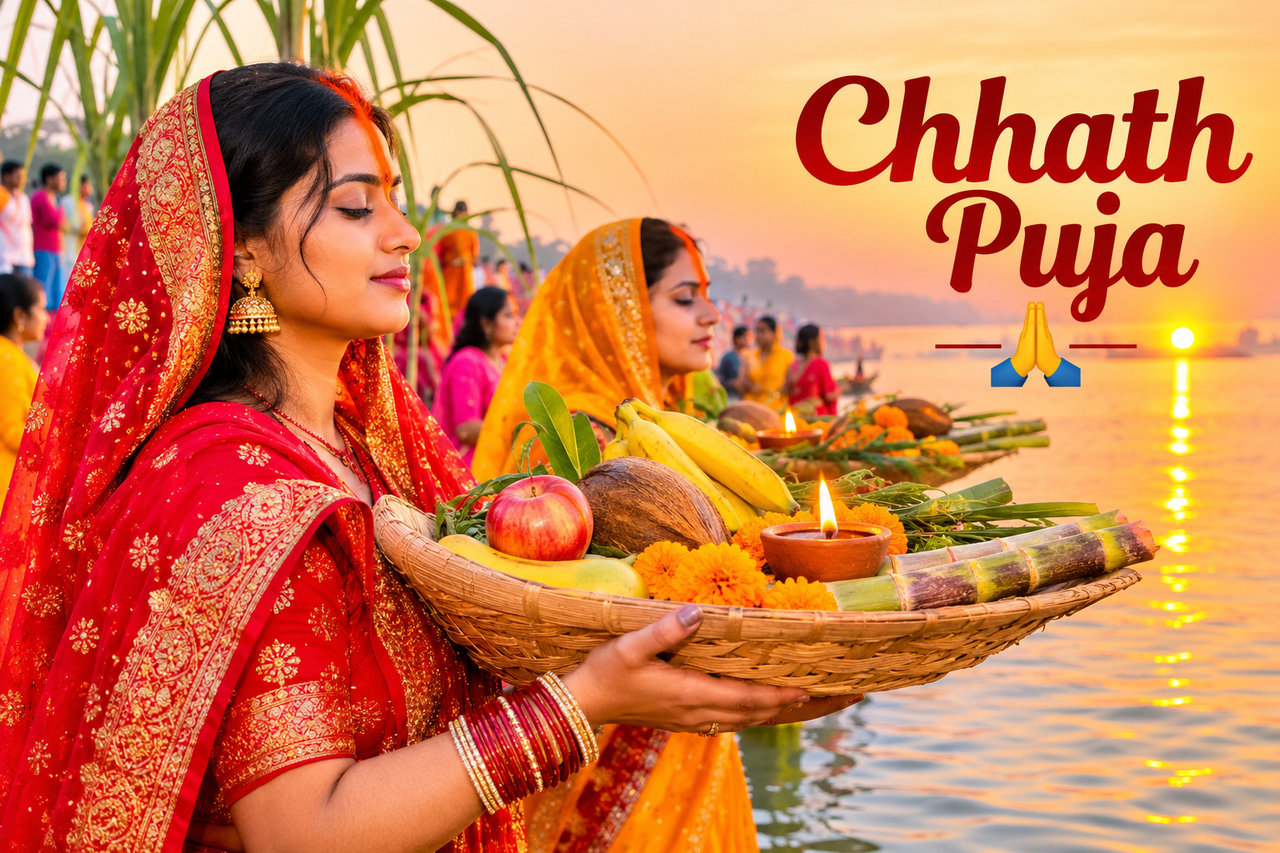
What Is Chhath Puja 2026 and Why Does the Ghat Matter?
Chhath Puja 2026 is a festival of devotion in which devotees worship Surya Dev and offer prayers near a natural water source, commonly known as a ghat. The ghat is important because it becomes the sacred setting for offering Arghya to the setting and rising Sun.
Devotees traditionally gather at rivers, ponds, lakes, or other clean water bodies to perform the main rituals. The connection between water, sunlight, nature, and prayer gives the celebration a unique spiritual character.
The ghat is not simply a location for the ceremony. For devotees, it represents a sacred place of worship where faith, discipline, family traditions, and devotion come together.
Why Do Devotees Respect the Ghat Before Arghya?
Devotees show respect to the ghat because it is the place where they perform one of the most important rituals of Chhath Puja. Touching the ground, bowing, or making a respectful gesture before beginning the Arghya reflects humility before the divine and gratitude toward nature.
The ritual also reminds devotees that worship is connected to the natural world. Water, sunlight, earth, fruits, and other offerings all play an important role in the celebration.
A Symbol of Humility and Devotion
Touching the ghat before Arghya is often understood as a symbolic expression of surrender and respect. Before presenting prayers and offerings, devotees approach the sacred space with humility.
This gesture can represent:
- Respect for the holy place of worship
- Gratitude toward nature and its elements
- Humility before Surya Dev and Chhathi Maiya
- Spiritual preparation before offering Arghya
- Respect for long-standing family and cultural traditions
What Does Touching the Ghat Symbolise During Chhath Puja 2026?
The act of respectfully touching the ghat can carry deep symbolic meaning during Chhath Puja 2026. The ritual connects physical actions with inner devotion.
Respect for the Earth and Natural Elements
Chhath Puja is closely connected with nature. Devotees worship near water and offer Arghya while facing the Sun. Many traditional offerings also come from nature, including fruits, sugarcane, coconut, and other prasad items.
Touching the ghat can therefore be seen as a gesture of respect toward the earth and the natural environment that supports life.
Preparing the Mind for Prayer
Before a major act of worship, devotees often take a moment to focus their thoughts and emotions. A respectful gesture toward the ghat can help create a sense of calm and spiritual readiness.
The ritual encourages devotees to approach the Arghya with sincerity rather than treating it as only a ceremonial action.
The Importance of Intention in Worship
The spiritual value of a ritual is often connected to devotion, discipline, and intention. Chhath Puja is known for its demanding observances, including fasting and careful preparation.
For many devotees, every action performed at the ghat becomes part of a larger expression of faith.
How Is Arghya Offered at the Ghat During Chhath Puja 2026?
Arghya is one of the central rituals of Chhath Puja 2026. Devotees enter or stand near the water and offer prayers to Surya Dev using water and traditional offerings.
While practices may vary according to family and regional traditions, the general devotional process often includes the following:
- Prepare the puja offerings with care and cleanliness.
- Reach the ghat respectfully before the scheduled worship.
- Arrange the offerings and traditional puja items.
- Offer prayers with devotion to Surya Dev and Chhathi Maiya.
- Present Arghya while facing the Sun during the appropriate ritual time.
- Continue the worship peacefully with family and fellow devotees.
Why Is Cleanliness Important at the Ghat?
Cleanliness is an important part of the spiritual atmosphere of Chhath Puja. Devotees and communities often make special efforts to prepare ghats before the festival.
A clean and organised ghat helps create a respectful environment for worship. It also reflects the wider cultural connection between Chhath Puja and respect for nature.
A Shared Community Tradition
The preparation of the ghat is often a community effort. Families, volunteers, and local communities may participate in cleaning and preparing the worship area.
This shared involvement adds another meaningful dimension to Chhath Puja 2026, bringing people together through faith and cultural tradition.
Why Are the Evening and Morning Ghats Both Important?
Chhath Puja includes worship associated with both the setting and rising Sun. These moments represent important stages of the festival and are observed with devotion at the ghat.
Sandhya Arghya
Sandhya Arghya is offered to the setting Sun. Devotees gather at the ghat with traditional offerings and perform prayers during the evening.
Usha Arghya
Usha Arghya is offered to the rising Sun and marks another deeply significant moment of the festival. The morning gathering brings families and communities together once again in prayer and devotion.
A Tradition That Connects Generations
For many families, Chhath Puja traditions are passed from one generation to another. Children observe elders preparing prasad, arranging puja items, and performing rituals at the ghat.
This is one reason festivals such as Chhath Puja remain an important part of cultural identity. Sadhana values these traditions and the meaningful stories behind the rituals that bring families together.
How to Prepare Respectfully for Chhath Puja 2026 at the Ghat
Preparing for the ghat rituals requires attention, patience, and respect for traditional practices.
Important Steps to Follow
- Follow your family's traditional customs where applicable.
- Prepare prasad and puja items carefully.
- Keep the worship area clean and organised.
- Respect other devotees and the shared sacred space.
- Avoid littering near water bodies and ghats.
- Focus on devotion and the spiritual meaning of the rituals.
Respecting Local Traditions
Ritual details can differ between families and regions. It is always helpful to follow the customs practised by knowledgeable elders or trusted religious guides within your community.
The central values of devotion, purity, gratitude, and respect remain important throughout the celebration.
Why the Meaning of Chhath Puja Traditions Matters Today
In modern life, festivals provide an opportunity to reconnect with cultural roots and spiritual values. Understanding why devotees touch the ghat before Arghya helps us look beyond the physical action and recognise the devotion behind it.
Chhath Puja 2026 is not only about following a sequence of rituals. It is also about discipline, gratitude, family traditions, and respect for the natural elements that sustain life.
How Sadhana Celebrates the Spirit of Chhath Puja
Sadhana recognises the importance of preserving and understanding the cultural meaning behind Indian festivals. Learning about traditions can help families share these practices with younger generations while keeping the spirit of devotion alive.
Whether preparing for the festival, discussing its customs, or participating in prayers, understanding the meaning behind each ritual can make the celebration more personal and meaningful.
Conclusion
The tradition of touching or respectfully bowing toward the ghat before Arghya reflects the deep humility and devotion associated with Chhath Puja 2026. The sacred ghat represents a place where devotees connect prayer with nature, family traditions, and gratitude toward Surya Dev and Chhathi Maiya.
Key takeaways from this guide include:
- The ghat is an important sacred space for Chhath Puja rituals.
- Respectful gestures before Arghya symbolise humility and devotion.
- Chhath Puja has a strong connection with nature and its elements.
- Cleanliness and respect for the ghat are important during the festival.
- Sadhana celebrates the cultural and spiritual significance of traditional Indian festivals.
As you prepare for Chhath Puja 2026, take time to understand and appreciate the meaning behind every ritual. Sadhana invites you to celebrate the festival with devotion, respect, and a deeper connection to its beautiful traditions.
Frequently Asked Questions
Why do devotees touch the ghat before offering Arghya?
Devotees may touch or respectfully bow toward the ghat as a gesture of humility and reverence before beginning an important act of worship. The ghat is considered a sacred space for Chhath Puja rituals, and the gesture reflects devotion and respect.
What is the importance of the ghat in Chhath Puja 2026?
The ghat is the sacred location where devotees gather near water to perform important Chhath Puja rituals and offer Arghya to the setting and rising Sun. It brings together the festival's connection with water, sunlight, nature, and devotion.
What is Arghya during Chhath Puja?
Arghya is a devotional offering made during worship. During Chhath Puja, devotees offer prayers and water to Surya Dev at significant times, traditionally including worship associated with the setting and rising Sun.
Why is cleanliness important at Chhath Puja ghats?
Cleanliness helps maintain a respectful and suitable environment for worship. Because Chhath Puja takes place near natural water bodies, keeping ghats clean also reflects respect for nature and the shared spaces used by the community.
How does Sadhana help celebrate Chhath Puja traditions?
Sadhana helps highlight the cultural and spiritual meaning behind traditional Indian festivals. By sharing information about rituals, customs, and their significance, Sadhana supports a deeper appreciation of celebrations such as Chhath Puja 2026.
About the Author
Sadhana Editorial Team shares informative and culturally focused content about Indian traditions, festivals, rituals, and celebrations. The team aims to help readers understand the stories, symbolism, and values behind meaningful cultural practices.
Comments