Hair and scalp concerns have evolved beyond simple visual assessments, with modern science introducing highly precise tools for diagnosis and treatment planning. Today’s trichology landscape blends clinical expertise with advanced imaging and analytical systems to uncover the root causes of hair loss, thinning, and scalp disorders. Whether addressing genetic patterns, hormonal imbalances, or environmental stressors, professionals rely on technology to deliver targeted solutions. Individuals seeking guidance from the Best Trichologists in Dubai often benefit from these innovations, which provide deeper insights and more personalized care than ever before.
Digital Trichoscopy: A Closer Look at the Scalp
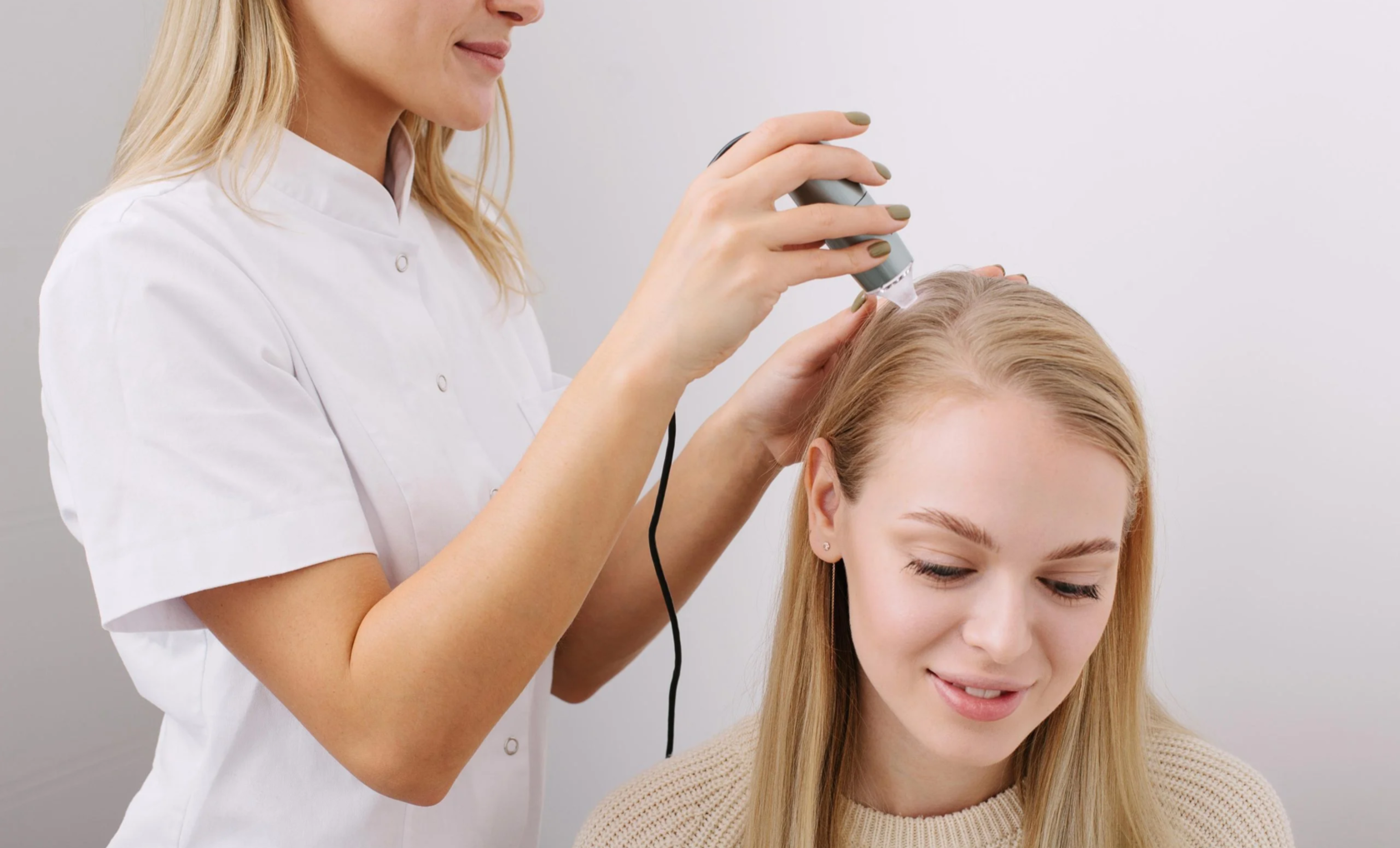
One of the most widely used tools in modern trichology is digital trichoscopy. This non-invasive imaging technique allows specialists to magnify the scalp and hair shafts at high resolution. By examining follicular density, hair shaft thickness, and scalp condition, trichologists can detect early signs of disorders such as androgenetic alopecia, alopecia areata, or scalp inflammation.
Digital trichoscopy goes far beyond what the naked eye can see. It enables practitioners to track changes over time, making it easier to evaluate treatment progress. The ability to store and compare images ensures that every stage of the hair restoration journey is carefully monitored and adjusted when necessary.
Scalp Microscopy and Follicular Analysis
Advanced scalp microscopes are another cornerstone of modern diagnostics. These devices provide extreme magnification, allowing for detailed observation of hair follicles and scalp health. Trichologists can identify issues such as clogged follicles, dandruff buildup, or micro-inflammation that may hinder hair growth.
Follicular analysis also helps determine the growth phase of hair strands. By understanding whether hair is in the anagen (growth), catagen (transition), or telogen (resting) phase, experts can assess whether hair shedding is normal or indicative of an underlying condition. This level of precision supports more accurate diagnoses and tailored treatment strategies.
Hair Density Measurement Tools
Hair density scanners and software-driven analysis tools are essential for quantifying hair loss. These technologies calculate the number of hair strands per square centimeter, providing a measurable benchmark for diagnosis and treatment evaluation.
Unlike subjective assessments, density measurement tools offer objective data that can guide clinical decisions. They are particularly useful in identifying diffuse thinning, where hair loss may not be immediately visible but is gradually progressing. By detecting subtle changes early, trichologists can intervene before the condition worsens.
Spectral Imaging and Scalp Mapping
Spectral imaging is an emerging technology that uses different wavelengths of light to analyze the scalp. This method reveals underlying conditions such as reduced blood circulation, pigmentation irregularities, and inflammation.
Scalp mapping systems often accompany spectral imaging, creating a comprehensive visual representation of the scalp’s condition. These maps highlight problem areas and help trichologists design targeted treatment plans. The integration of imaging and mapping ensures a holistic understanding of scalp health, improving the accuracy of diagnoses.
Hair Pull and Wash Tests with Digital Support
Traditional diagnostic methods like the hair pull test and wash test are still relevant, but modern technology has enhanced their accuracy. Digital tools now assist in counting shed hairs and analyzing their structure.
For example, collected hair samples can be examined under microscopes or scanned using software that identifies abnormalities in the hair shaft. This combination of traditional techniques and digital analysis provides a more complete picture of hair health and shedding patterns.
Biochemical and Hormonal Testing Integration
Hair loss is often linked to internal factors such as hormonal imbalances, nutritional deficiencies, or metabolic conditions. While trichologists do not always conduct these tests directly, they frequently integrate laboratory data into their diagnostic process.
Advanced diagnostic systems can correlate scalp findings with biochemical markers, offering a multidimensional view of the problem. This approach ensures that treatments address not only external symptoms but also internal causes, leading to more sustainable results.
AI-Powered Diagnostic Platforms
Artificial intelligence is rapidly transforming trichology. AI-powered platforms can analyze thousands of scalp images and compare them with extensive databases to identify patterns and predict conditions.
These systems enhance diagnostic accuracy by reducing human error and providing data-driven insights. AI tools can also recommend treatment pathways based on similar cases, helping trichologists make informed decisions. As technology continues to evolve, AI is expected to play an even greater role in personalized hair care.
High-Resolution Photography for Progress Tracking
Consistency is key in hair treatment, and high-resolution photography plays a vital role in tracking progress. Standardized imaging setups ensure that photos are taken under identical conditions, allowing for accurate comparisons over time.
This method not only helps trichologists evaluate treatment effectiveness but also provides clients with visible proof of improvement. Seeing gradual changes can be highly motivating, encouraging individuals to stay committed to their treatment plans.
Non-Invasive Scalp Sensors and Hydration Analysis
Modern diagnostic tools also include sensors that measure scalp hydration, oil levels, and pH balance. These factors are crucial in maintaining a healthy environment for hair growth.
By analyzing these parameters, trichologists can recommend appropriate care routines and treatments. For instance, an excessively dry scalp may require hydration-focused therapies, while an oily scalp might need balancing solutions. These insights ensure that treatments are tailored to individual needs.
The Future of Trichology Diagnostics
The field of trichology continues to evolve, with new technologies enhancing diagnostic precision and treatment outcomes. From AI-driven analysis to advanced imaging systems, the focus is on delivering personalized care backed by scientific data.
As awareness of hair and scalp health grows, more individuals are seeking expert guidance supported by cutting-edge tools. Consulting the Best Trichologists ensures access to these advanced diagnostic technologies, enabling accurate assessments and effective treatment strategies that address both immediate concerns and long-term hair health.
Comments