Syphilis screening is one of the most important yet often overlooked aspects of sexual health. Despite modern medicine and widespread awareness about sexually transmitted infections (STIs), Syphilis Screening in Dubai rates have steadily increased in recent years. The good news? Early detection through proper screening makes syphilis highly treatable and prevents serious long-term complications.
In this comprehensive guide, we’ll break down when you should get tested for syphilis, why regular screening matters, how often testing is recommended, and what to expect during the process. Whether you’re sexually active, pregnant, or simply proactive about your health, understanding syphilis testing guidelines is essential.
Understanding Syphilis: Why Early Detection Matters
Syphilis is a sexually transmitted infection caused by the bacterium Treponema pallidum. It spreads primarily through vaginal, anal, or oral sex with an infected partner. It can also pass from a pregnant person to their baby during pregnancy, leading to congenital syphilis.
One of the biggest challenges with syphilis is that symptoms are not always obvious. The infection progresses in stages:
- Primary stage: A painless sore (chancre) appears at the site of infection.
- Secondary stage: Skin rashes, swollen lymph nodes, fever, and fatigue may develop.
- Latent stage: No visible symptoms, but the bacteria remain in the body.
- Tertiary stage: Severe complications affecting the heart, brain, and nervous system.
Because symptoms can disappear without treatment, many people assume the infection is gone when it is not. This is exactly why syphilis screening is so critical.
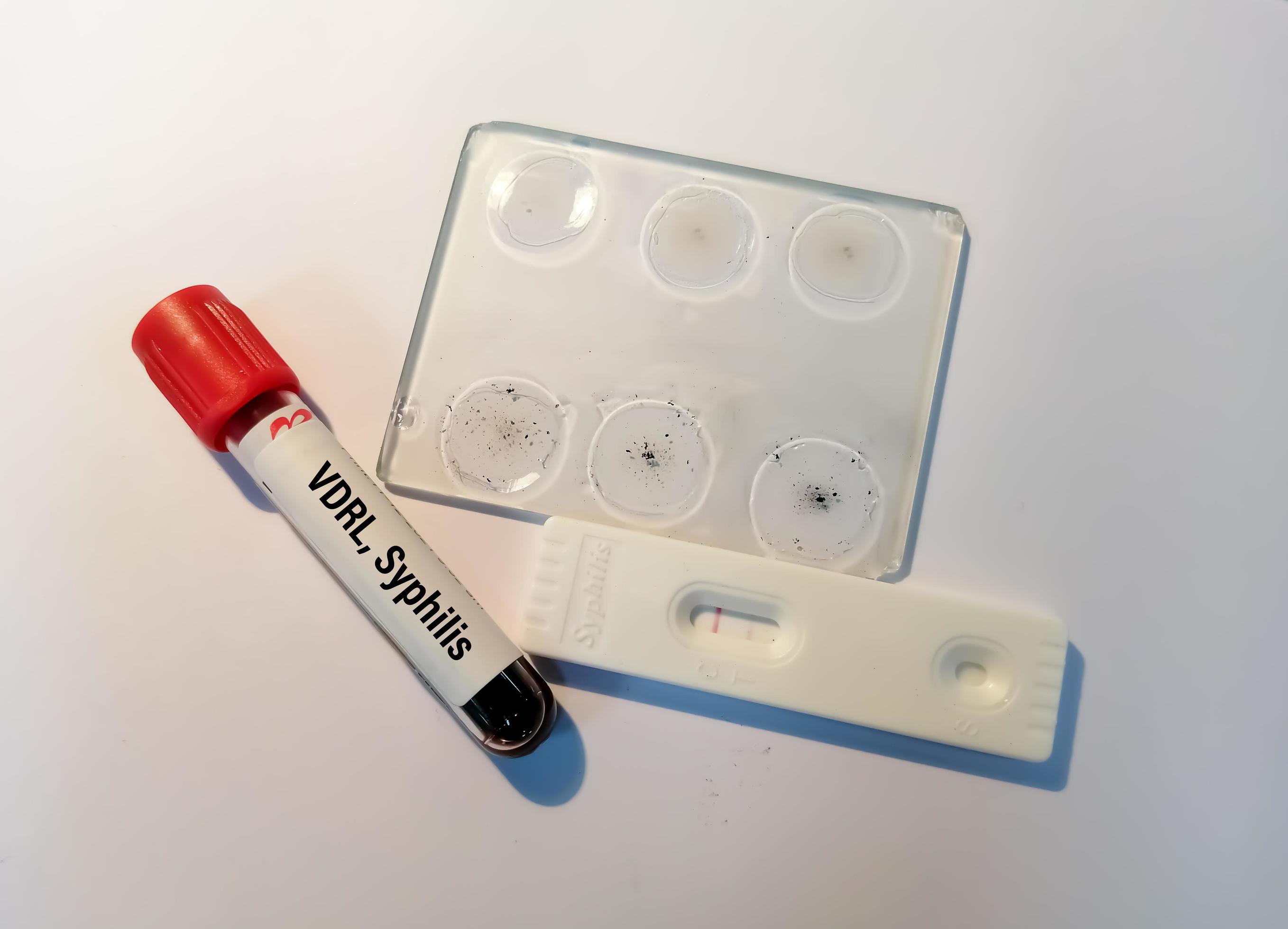
Why Syphilis Screening Is So Important?
Regular STI testing, including syphilis blood testing, plays a crucial role in protecting both individual and public health.
Prevents Serious Health Complications:
Untreated syphilis can cause:
- Neurological damage (neurosyphilis)
- Cardiovascular complications
- Vision and hearing loss
- Organ damage
- Increased risk of HIV transmission
Early detection allows for simple antibiotic treatment—usually penicillin—before these complications develop.
Protects Sexual Partners:
Syphilis is highly contagious during its early stages. Getting tested regularly helps prevent unknowingly transmitting the infection to partners.
Protects Pregnant Individuals and Babies:
Routine prenatal syphilis screening is essential. Congenital syphilis can cause miscarriage, stillbirth, premature birth, or serious newborn health issues. Testing early in pregnancy and again later if needed dramatically reduces these risks.
Supports Overall Sexual Health:
Comprehensive sexual health screening—including tests for chlamydia, gonorrhea, HIV, and syphilis—ensures early detection and peace of mind.
When Should You Get Tested for Syphilis?
Knowing when to get tested is just as important as knowing why.
If You Have Symptoms:
You should seek immediate STI testing if you notice:
- A painless sore on the genitals, mouth, or anus
- Unexplained rash, especially on palms or soles
- Flu-like symptoms with swollen lymph nodes
- Patchy hair loss
- White patches inside the mouth
Even mild or painless symptoms warrant evaluation.
After Unprotected Sex:
If you’ve had unprotected vaginal, anal, or oral sex with a new or multiple partners, getting screened is highly recommended. Syphilis can be transmitted even if no visible sores are present.
If a Partner Tests Positive:
If your sexual partner has tested positive for syphilis or another STI, you should be tested immediately—even if you have no symptoms.
During Pregnancy:
Pregnant individuals are typically tested:
- At the first prenatal visit
- During the third trimester (for high-risk individuals)
- At delivery (in some cases)
As Part of Routine Sexual Health Screening:
Certain groups are advised to undergo routine syphilis screening even without symptoms:
- Men who have sex with men (MSM)
- Individuals with HIV
- People with multiple sexual partners
- Those engaging in sex work
- Individuals with a history of STIs
How Often Should You Get Tested for Syphilis?
The frequency of testing depends on your risk level and lifestyle.
Low Risk Individuals:
If you are in a mutually monogamous relationship and both partners have tested negative, routine screening may not be necessary unless circumstances change.
Moderate Risk Individuals:
If you have new or multiple partners, annual syphilis testing is generally recommended.
Higher Risk Individuals:
For those at higher risk—such as MSM, people living with HIV, or individuals with multiple anonymous partners—testing every 3 to 6 months may be appropriate.
Pregnant Individuals:
Testing is required at least once during pregnancy, with additional screenings if risk factors are present.
When in doubt, speak with a healthcare provider about personalized STI testing recommendations.
How Is Syphilis Screening Done?
Syphilis testing is simple, quick, and widely available.
Blood Test (Most Common Method):
The primary method for syphilis diagnosis is a blood test. There are two main types:
Nontreponemal tests (such as RPR or VDRL) detect antibodies produced in response to infection.
Treponemal tests confirm the presence of antibodies specific to the syphilis bacterium.
Often, both tests are used together for accurate diagnosis.
Testing a Sore (If Present):
If a chancre is visible, a healthcare provider may collect a sample from the sore for laboratory testing.
Where Can You Get Tested?
Syphilis screening is available at:
- Primary care clinics
- Sexual health clinics
- Community health centers
- Family planning clinics
- Private laboratories
- At-home STI testing services
Many public health clinics offer confidential or low-cost testing.
How Accurate Is Syphilis Testing?
Syphilis blood tests are highly accurate, but timing matters.
After exposure, it can take 10 to 90 days (usually around 3 weeks) for antibodies to become detectable. This period is known as the incubation or window period.
If you believe you were recently exposed, your provider may recommend repeat testing after a few weeks to ensure accurate results.
What Happens If You Test Positive?
A positive syphilis test can feel overwhelming, but it is important to remember:
- Syphilis is treatable.
- Early-stage syphilis is easily cured with antibiotics.
- Treatment prevents long-term complications.
Treatment:
Penicillin injections are the standard treatment. The number of doses depends on the stage of infection.
Partner Notification:
Your recent sexual partners should be informed so they can get tested and treated if necessary.
Follow-Up Testing:
Repeat blood tests are usually done after treatment to ensure the infection has been successfully cleared.
Common Myths About Syphilis Screening:
Let’s clear up some common misconceptions.
Myth 1: You only need testing if you have symptoms.
False. Many people with syphilis have no symptoms, especially during the latent stage.
Myth 2: Syphilis is rare.
Rates have increased significantly in recent years, making routine STI screening more important than ever.
Myth 3: A negative test once means you’re always negative.
You can be reinfected after treatment. Regular screening remains important if you have ongoing risk.
Myth 4: At-home STI tests aren’t reliable.
FDA-approved home testing kits can be accurate when used correctly, though follow-up care is essential for positive results.
How to Reduce Your Risk of Syphilis?
While screening is vital, prevention is equally important.
- Use condoms correctly during vaginal, anal, and oral sex.
- Limit the number of sexual partners.
- Engage in open communication about STI testing with partners.
- Avoid sexual contact with visible sores.
- Get routine sexual health check-ups.
Combining preventive measures with regular syphilis screening provides the strongest protection.
The Bigger Picture: Why Regular STI Testing Matters
Syphilis Screening is just one of several sexually transmitted infections that can impact long-term health. Comprehensive STI screening helps detect infections early, reduce transmission, and protect reproductive health.
Taking charge of your sexual health is not just about avoiding disease—it’s about empowerment, responsibility, and maintaining overall well-being.
Final Thoughts: Make Syphilis Screening Part of Your Health Routine
Syphilis screening is simple, fast, and potentially life-saving. Because the infection can progress silently, routine testing is the most reliable way to detect it early.
If you are sexually active—especially with new or multiple partners—regular STI testing should be a normal part of your healthcare routine. Pregnant individuals, high-risk populations, and anyone with symptoms should seek testing promptly.
When it comes to syphilis, early detection makes all the difference. Don’t wait for symptoms. Stay informed, get tested when appropriate, and encourage partners to do the same. Your health—and the health of others—depends on it.
Comments