Foot pain can affect every step you take, making daily activities uncomfortable and limiting your mobility. Conditions such as tailor’s bunion, heel pain, and soft tissue inflammation are more common than many people realise. Fortunately, modern orthopaedic care offers effective solutions, including advanced tailor’s bunion treatment, to help patients regain comfort and confidence in their movement.
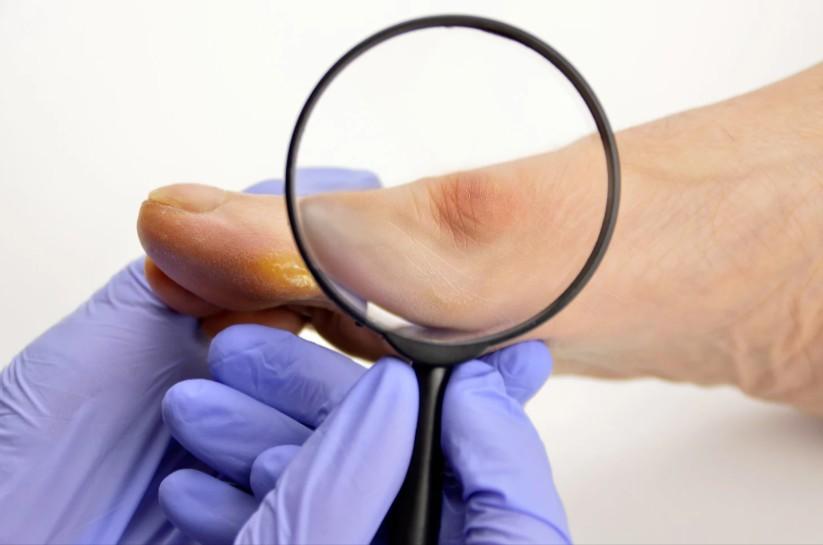
A tailor’s bunion, also known as a bunionette, forms on the outside of the foot at the base of the little toe. It can cause swelling, redness, and pain, especially when wearing tight or ill-fitting shoes. While the condition may start as mild discomfort, it can progress over time if left untreated. Understanding your treatment options early can make a significant difference in long-term foot health.
Understanding Tailor’s Bunion
A tailor’s bunion develops when the fifth metatarsal bone shifts outward, creating a visible bump on the side of the foot. This condition is often caused by genetics, poor footwear choices, or structural foot issues. People who frequently wear narrow shoes or high heels are more likely to experience this problem.
The goal of tailor’s bunion treatment is to reduce pain, correct alignment, and improve overall foot function. Early intervention can prevent the condition from worsening and reduce the need for more complex procedures.
Symptoms to Watch For
Recognising the symptoms early can help you seek appropriate treatment. Common signs include:
Pain or tenderness on the outer side of the foot
Swelling and redness near the little toe
Difficulty wearing certain types of shoes
A visible bump at the base of the toe
If you notice these symptoms, consulting a specialist can help you receive a proper diagnosis and tailored treatment plan.
Effective Treatment Options
Modern orthopaedic care provides a range of treatment options for tailor’s bunions, depending on the severity of the condition.
Conservative Treatments
In the early stages, non-surgical treatments can be highly effective. These may include:
Wearing wider, comfortable footwear
Using padding or orthotic devices
Applying ice to reduce inflammation
Taking anti-inflammatory medications
These methods aim to relieve pressure on the affected area and reduce pain.
Advanced and Surgical Options
When conservative methods are not enough, surgical intervention may be recommended. Modern procedures focus on correcting bone alignment while minimising recovery time.
Minimally invasive techniques are increasingly popular, as they involve smaller incisions and faster healing. These procedures help restore proper foot structure and improve long-term comfort.
Managing Related Foot Conditions
Foot problems often occur together, and addressing all contributing factors is essential for effective treatment.
Plantar Fasciitis
Heel pain is commonly associated with plantar fasciitis, a condition caused by inflammation of the tissue along the bottom of the foot. Proper plantar fasciitis treatment includes stretching exercises, supportive footwear, and physiotherapy to reduce tension and promote healing.
Heel Bumps
Some individuals develop bony growths at the back of the heel, which can lead to irritation and discomfort. Targeted heel bumps treatment focuses on reducing inflammation, improving footwear support, and, in some cases, surgical correction.
Treating these conditions alongside a tailor’s bunion ensures better overall foot function and reduces the risk of recurring pain.
Importance of Early Diagnosis
Many people delay seeking treatment for foot pain, assuming it will improve on its own. However, untreated conditions can worsen over time and lead to more complex issues.
Early diagnosis allows specialists to identify the root cause of the problem and recommend effective treatment options. It also increases the likelihood of successful recovery without the need for surgery.
Regular check-ups and proper foot care can help maintain long-term mobility and prevent complications.
Choosing the Right Specialist
Selecting an experienced orthopaedic specialist is crucial for achieving the best outcomes. A specialist can provide a comprehensive assessment, recommend personalised treatments, and guide you through the recovery process.
Patients across the UK often explore treatment options connected with Mr Pavel Akimau when seeking expert care for foot and ankle conditions. A patient-focused approach, combined with modern techniques, ensures effective treatment and improved quality of life.
Recovery and Long-Term Care
Recovery from foot conditions varies depending on the severity and type of treatment. Most patients benefit from a combination of rest, physiotherapy, and supportive footwear.
Maintaining foot health is essential even after treatment. This includes:
Wearing properly fitted shoes
Performing regular stretching exercises
Avoiding excessive strain on the feet
Monitoring any recurring symptoms
With the right care, patients can return to their normal activities and enjoy improved mobility.
Conclusion
Foot pain should never be ignored, as it can significantly impact your quality of life. Whether you are dealing with a tailor’s bunion, heel pain, or related conditions, modern treatment options offer effective solutions for long-term relief.
By seeking early treatment, following professional advice, and choosing the right specialist, you can take control of your foot health and regain confidence in your movement. Investing in proper care today ensures a more comfortable and active future.
FAQs
1. What is a tailor’s bunion?
A tailor’s bunion is a bony bump on the outer side of the foot at the base of the little toe.
2. Can tailor’s bunions be treated without surgery?
Yes, early-stage conditions can often be managed with footwear changes, orthotics, and pain relief methods.
3. What causes plantar fasciitis?
It is caused by strain and inflammation of the plantar fascia, often due to overuse or poor foot support.
4. Are heel bumps serious?
Heel bumps can cause discomfort and irritation but are treatable with proper care and medical guidance.
5. When should I see a specialist?
You should consult a specialist if foot pain persists, worsens, or interferes with daily activities.
Comments