Written by: Anand Sen; Reviewed by: Dr. Saroja Patil
Your dog gets into a fight with a stray outside the colony gate. The stray disappears and suddenly everyone is busy searching drawers for an old vaccination card that may or may not exist.
This happens across India every single day. Most pet owners already know that rabies is dangerous. However, many are unsure about these things:
- When the vaccine is actually due
- Whether yearly boosters still matter
- How much does the vaccine cost
- Whether skipping rabies vaccination can create legal problems
In a country with a high density of stray dogs, exposure to rabies is common. Therefore, a proper vaccination schedule for dogs is the most important medical protection your dog receives.
What Is the Rabies Vaccine for Dogs and How Does It Work?
As per the Journal of Global Health, Rabies is the 10th biggest cause of death due to infectious diseases worldwide and in India, the health burden of rabies is extreme. According to the World Health Organization, India accounts for 36% of the world’s rabies deaths.
Thus, the rabies vaccine is not just a health protection measure but also a public health tool.
The rabies vaccine is an inactivated vaccine, meaning it contains dead viral material that cannot cause rabies infection itself. The purpose is simple. Train the immune system before real exposure happens.
The rabies vaccine protects dogs by helping their immune system recognise and fight the rabies virus before exposure occurs.
In vaccinated dogs, the body produces antibodies against the rabies virus. Even if the dog is later bitten by an infected animal, those antibodies prevent the virus from reaching the nervous system and brain.
And this is extremely important in the case of rabies, as it is not like a routine infection. According to the World Organization for Animal Health (WOAH), once symptoms appear in animals or humans, rabies is almost always fatal.
One misconception that many Indian pet owners still have: “Indoor dogs don’t need rabies shots.”
But dogs may still encounter:
- Stray animals during walks
- Bats
- Infected saliva
- Unknown bite exposure during boarding or travel
Even one unexpected exposure event becomes critical.
Fortunately, side effects from modern rabies vaccines are usually mild. You may observe:
- Temporary soreness
- Mild lethargy
- Reduced appetite for a day
Severe reactions to rabies vaccines are extremely rare, especially at registered veterinary clinics where proper vaccine storage protocols are followed.
Rabies Vaccine Schedule for Dogs in India
The standard vaccination schedule for dogs and cats in India is relatively straightforward. Consistency from the pet owners’ end is required for efficacy.
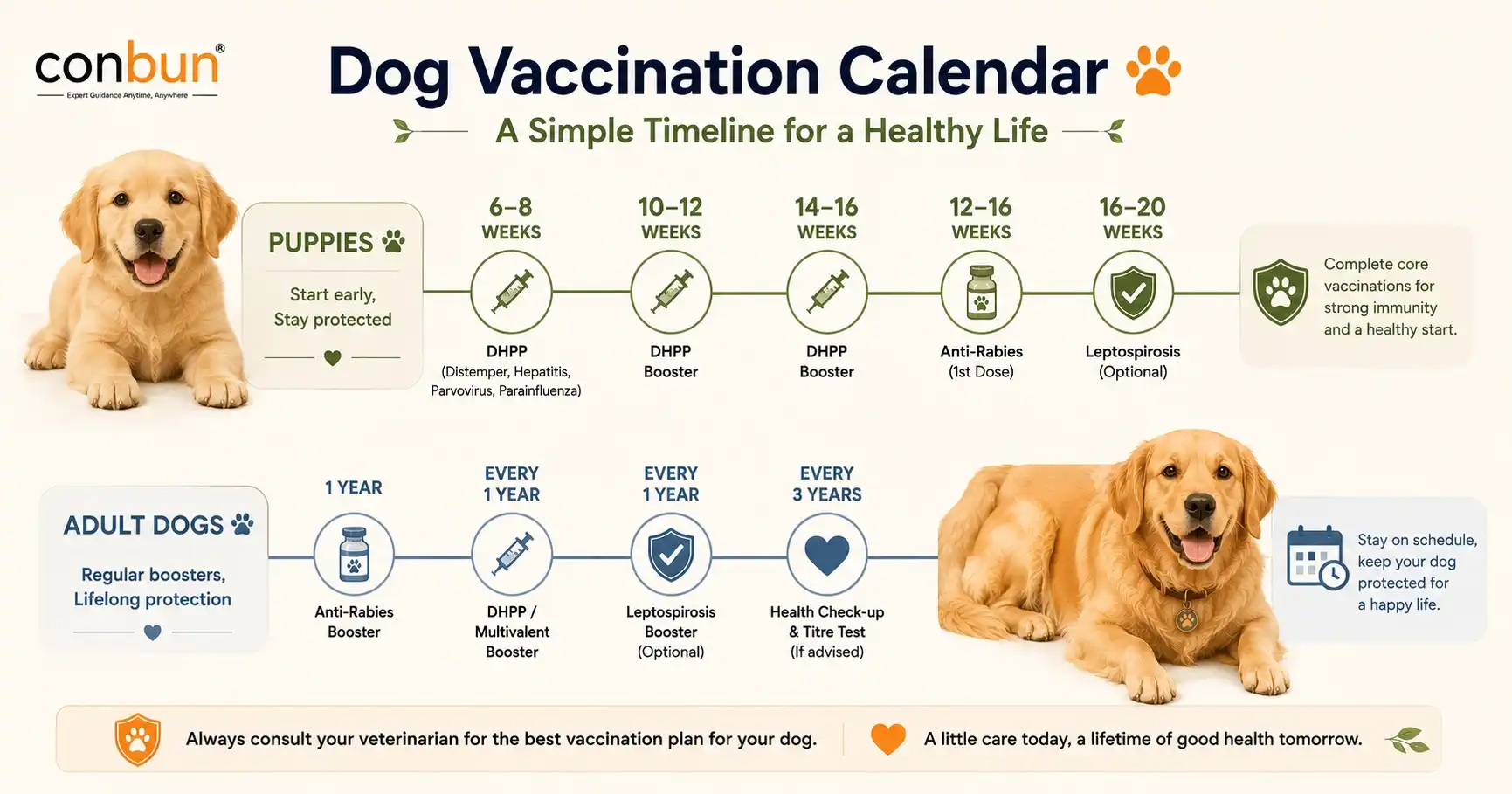
For puppies, veterinary doctors usually administer the first rabies vaccine at 12-16 weeks of age.
Before that stage, puppies generally receive:
- DHPP/DAPP combination vaccines
- Canine Parvovirus protection
- Canine Distemper protection
The rabies shot is given slightly late because maternal antibodies may interfere with the immune response too early in life.
The usual schedule is:
Age
Vaccine Stage
6–8 weeks
Core puppy vaccines
12–16 weeks
First rabies vaccine
1 year later
Booster dose
Every year after
Annual rabies vaccination
Veterinarians may also adjust timing slightly depending on:
- Breed size
- Illness history
- Weight and
- Overall immunity
The World Small Animal Veterinary Association (WSAVA) emphasises the importance of a consistent vaccination schedule. It distinguishes between "core" and "non-core" vaccines. Maintaining a regular booster schedule is vital for long-term protection. Core vaccines are only required every 3 years in adult pets
Veterinarians across India encounter situations constantly. Adopted dogs without proper medical records.If vaccination history is unclear, the safest vet-approved approach is to treat the dog as:
- Unvaccinated
- Due for a restart vaccination
This approach helps prevent dangerous immunity gaps later. Owners also commonly ask: “Can rabies and combo vaccines be given together?”
In most healthy dogs: Yes.
However, veterinarians prefer spacing them slightly apart in:
- Sensitive puppies
- Small breeds
- Dogs with previous vaccine reactions
Another common misconception that Indian dog owners have is that Indian Pariah Dogs are a hardy breed and thus they don’t need a rabies vaccine. But that’s not true. Every pet dog, irrespective of breed, needs to get vaccinated for rabies.
Rabies Vaccine Cost for Dogs in India
Rabies vaccination in India is generally affordable, especially compared to the financial and emotional cost of a bite exposure.
The cost of rabies vaccination varies depending on:
- City
- Clinic type
- Vaccine brand
- Consultation fees
Typical price ranges include:
Clinic Type
Approximate Cost
Government veterinary hospital
?50–?150; Free (at many clinics)
NGO vaccination camp
Free–?200
Private clinic (Tier 2 city)
?300–?500
Private metro clinic
?500–?1,000
The rabies vaccine for dogs in India usually costs between ?300 and ?1,000 at private clinics, while government hospitals and municipal vaccination drives may offer much cheaper options.
In cities like:
- Mumbai
- Delhi
- Bengaluru
- Chennai
Municipal vaccination drives often become available around World Rabies Day (September 28).
Veterinary college hospitals also frequently offer subsidised vaccination services. One important point many owners miss. Always request a signed vaccination certificate.
Housing societies, pet travel, boarding centres, and municipal licensing systems require official records. An undocumented dose of rabies vaccine may not be legally accepted later.
Is the Rabies Vaccine Legally Mandatory in India?
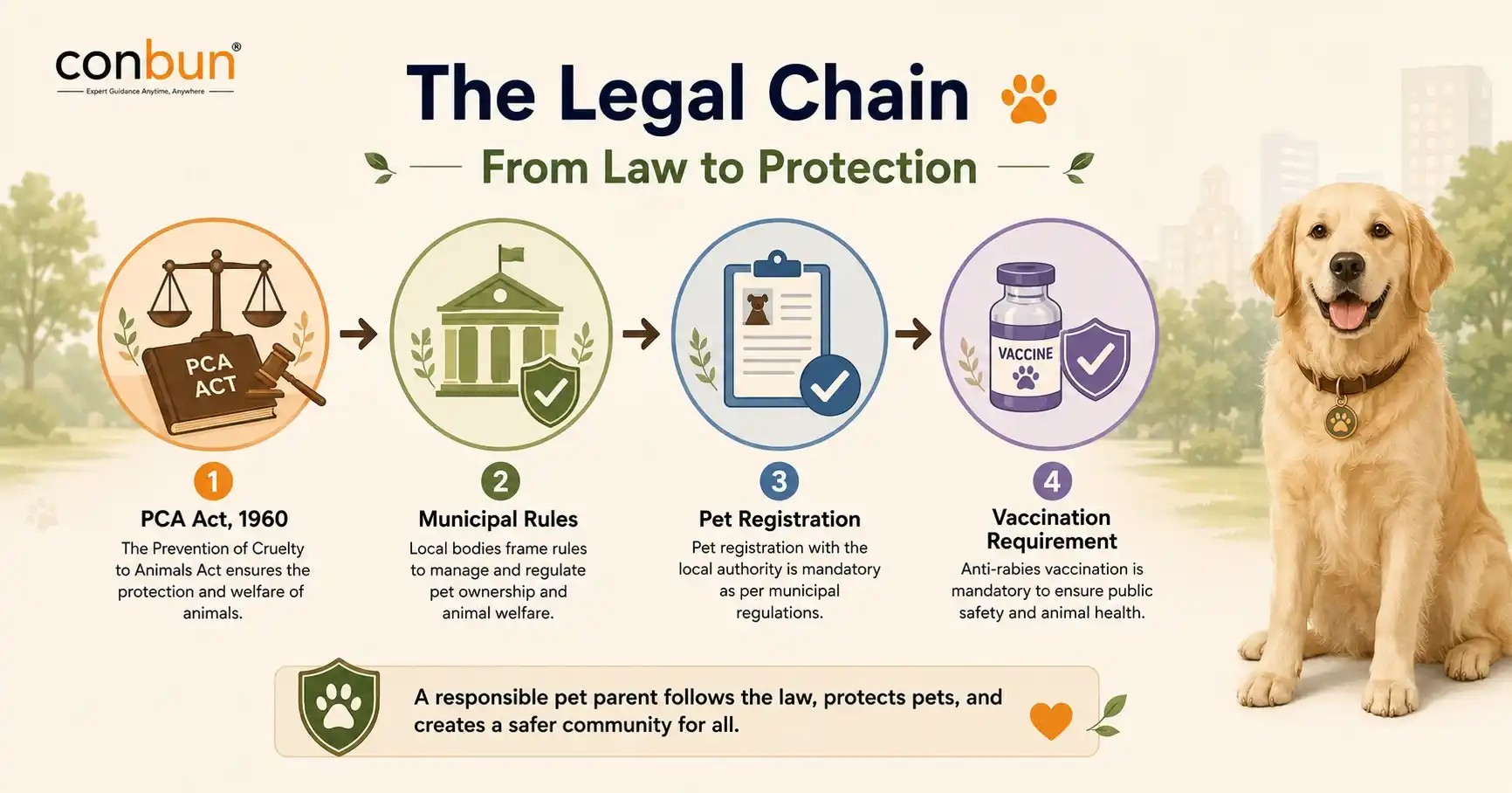
Yes. Rabies vaccination in India is legally mandated by the government. It is not just a medical recommendation but a legal responsibility.
According to:
- The Prevention of Cruelty to Animals Act, 1960
- Municipal pet licensing rules
- Animal Birth Control (Dogs) Rules, 2023
Dog owners are expected to maintain rabies vaccination compliance.
Rabies vaccination is legally required in most Indian cities as part of responsible pet ownership, municipal registration, and public health protection.
This becomes especially important if your dog bites someone.
Without valid vaccination proof:
- The bite victim may require expensive post-exposure treatment
- Legal liability may increase
- Municipal authorities may intervene
- Quarantine rules may apply
And honestly, this situation becomes emotionally devastating for families very quickly.
India still accounts for a very high percentage of global rabies deaths, according to public health estimates from the National Centre for Disease Control.
That is why vaccination is treated as:
- A public health responsibility
- Not merely a personal choice
Even community dogs vaccinated under municipal ABC programmes now receive official rabies vaccination as part of the national control strategy.
When the Rabies Vaccine Helps - and When It Does Not
Rabies vaccines work exceptionally well when:
- Given on schedule
- Boosters remain current
- Vaccines are stored correctly
- The dog is healthy during vaccination
Dogs that are properly vaccinated develop strong immunity in the overwhelming majority of cases. But there are certain situations where immunity and protection become less reliable.
These include:
- Overdue boosters
- Improper vaccine storage
- Immuno-compromised dogs
- Rabies exposure occurring before immunity develops
According to veterinary immunology literature, rabies vaccine failure in properly vaccinated healthy dogs remains is extremely rare but never zero.
Important vet insight: Event vaccinated dogs should still be examined promptly after any bite from:
- Stray dogs
- Wildlife
- Unknown animals
Veterinarians may recommend:
- Booster revaccination
- Observation
- Additional monitoring
Depending on the exposure risk.
After a bit of exposure, many Indian dog owners still assume “my dog is already vaccinated, so the bite doesn’t matter”.
But the truth is: It still matters.
Prompt veterinary assessment is important after every suspicious exposure.
What Are the Risks of Not Vaccinating?
Rabies remains one of the deadliest infectious diseases in the world.
Rabies is one of the deadliest infectious diseases in the world. Unlike many infections, once rabies symptoms start appearing, survival becomes extraordinarily unlikely.
The risks of skipping vaccination affect the dog, the family and the wider community.
For dogs, exposure risk comes from:
- Stray dog fights
- Bite wounds
- Wildlife encounters
- Unsupervised outdoor access
For humans, especially in Children, contact with infected saliva is life-threatening.
According to the World Organisation for Animal Health, more than 99% of human rabies transmission is a result of dog bites. Thus, large-scale dog vaccination is the single most effective method for reducing human rabies deaths globally.
Missed boosters may not seem important to dog owners until a bite incident happens.
Then suddenly:
- Vaccination records matter
- Dates matter
- Documentation matters enormously
And panic spreads through the household very quickly.
Real Scenario: What Indian Pet Owners Often Get Wrong
One of the most common mistakes veterinarians see is the forgotten booster. A Labrador receives puppy vaccines properly. Life gets busy. One year becomes three years.
Ravi, a pet parent from Nagpur, did what many pet owners do. He forgot the booster dose.
One day, suddenly, his dog is bitten by a stray during a street encounter, and the vaccination certificate shows:
- Last rabies shot: years ago
The family now faces:
- Revaccination
- Monitoring
- Uncertainty
- Anxiety
Another surprisingly common issue: undocumented vaccination camps.
Some owners attend free drives but never receive:
- Proper certificates
- Batch details
- Veterinary signatures
Always maintain:
- Physical copies
- Phone photographs
- Calendar reminders
Because rabies vaccination is not something you should remember roughly.
When to Visit a Clinic vs. When an Online Vet Consult Is Safe
Physical clinic visits are necessary for:
- Vaccine administration
- Bite wound examination
- Official certification
- Emergency post-bite evaluation
Immediate veterinary assessment is especially important if:
- The dog is bitten by a stray
- You notice Neurological symptoms
- You see aggression
- Disorientation or excessive drooling develops
Online veterinary doctor consultation may help for:
- Vaccine schedule clarification
- Booster reminders
- Mitigating post-vaccine reactions
- Understanding old records
- Locating low-cost clinics or vaccination drives nearby
For dog parents who are unsure whether a missed vaccine needs restarting or if a simple booster dose would be enough, an online appointment with a pet doctor will prevent unnecessary confusion.
Rabies Vaccine FAQs for Indian Dog Owners
Q:1 At what age should a puppy get the rabies shot?
Answer. Puppies should get vaccinated for rabies at 3-4 months (12-16 weeks) of age. This is a standard veterinary recommendation.
Q:2 How often does a dog need the rabies shot?
Answer. After the initial vaccination, dogs need a booster shot annually.
Q:3 Where can I get my dog vaccinated near me?
Answer. Visit the nearest private vet clinic or government veterinary hospital, or check with your municipal corporation for vaccination drives. Search on Google “vaccines for dogs near me” to find registered clinics.
Q:4 Is there an oral rabies vaccine for dogs in India?
Answer. Oral rabies vaccines are used in some countries by wildlife control programmes. For pet dogs in India, the standard injectable vaccines are used. There is no oral rabies vaccine approved for use in India.
Q:5 What documents do I get after vaccination?
Answer. At registered clinics or hospitals, you will get a vaccination certificate with your dog's name, breed, date of vaccination, vaccine brand, and next due date. Keep this document safe as you may need it for housing society registration, travel, and boarding.
Conclusion
Rabies vaccination is one of the simplest yet most important responsibilities for dog owners. Rabies is universally fatal once symptoms appear, but with timely vaccination and booster on schedule, prevention becomes highly effective.
In a country where stray dog exposure is high, annual rabies vaccination protects not only your dog, but also your family and the wider community.
The most important things owners can do are simple: vaccinate on time, keep proper records and never ignore bite incidents. And in case you’re unsure, book a veterinary doctor online for quick guidance whenever exposure is suspected.
References
Baxter, J. M. (2012). One in a million, or one in thousand: What is the morbidity of rabies in India?. Journal of global health, 2(1), 010303. https://pmc.ncbi.nlm.nih.gov/articles/PMC3484763/pdf/jogh-02-010303.pdf
World Health Organization. (2025). Rabies in India. Who.int. https://www.who.int/india/health-topics/rabies
World Organization for Animal Health. (2025). Rabies. https://www.woah.org/en/disease/rabies/
Day, M. J., Horzinek, M. C., Schultz, R. D., & Squires, R. A. (2016). WSAVA Guidelines for the vaccination of dogs and cats. The Journal of small animal practice, 57(1), E1. https://pmc.ncbi.nlm.nih.gov/articles/PMC7166872/pdf/JSAP-57-E1.pdf
Comments