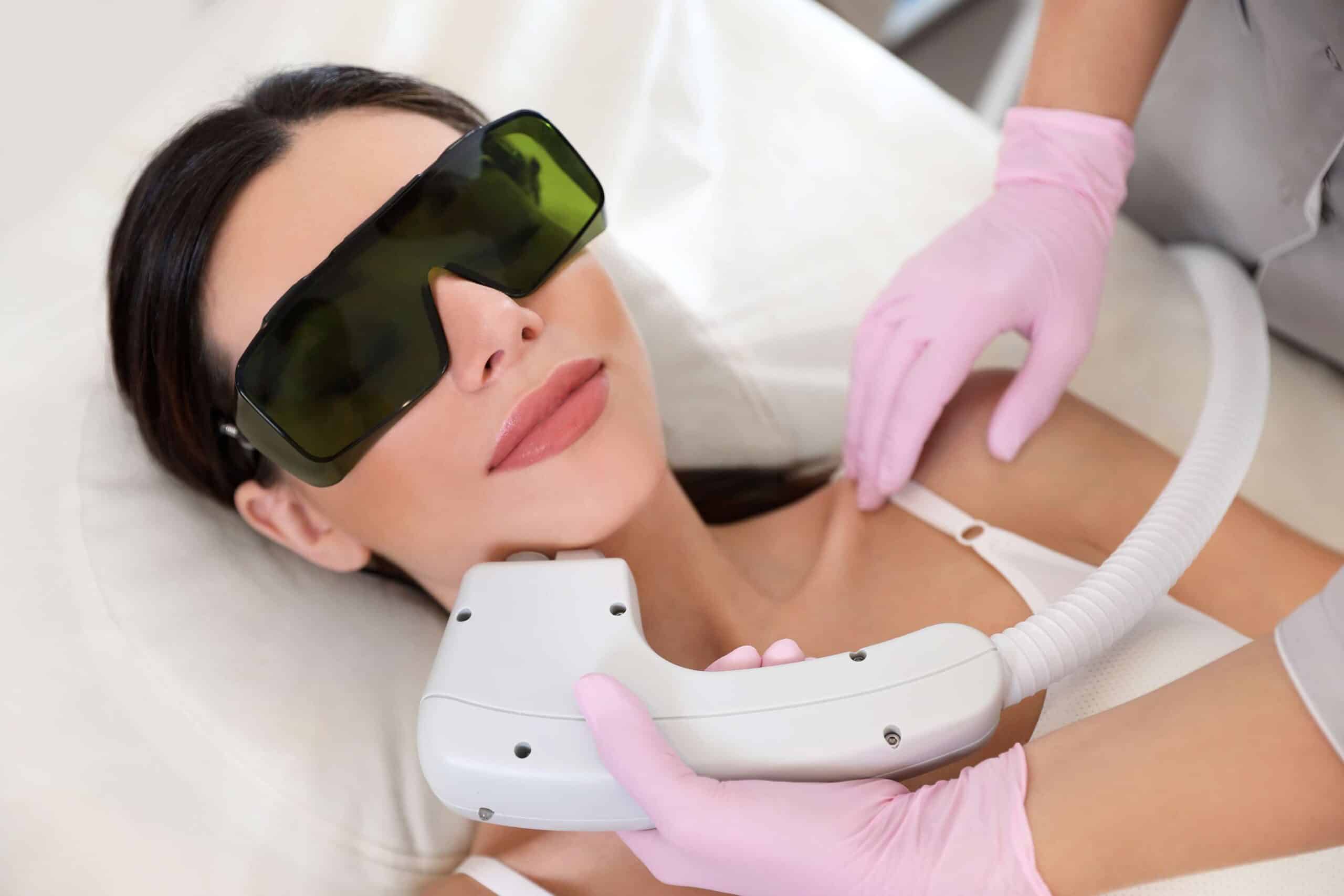
When it comes to smooth, hair-free skin, Laser Hair Removal Dubai has become one of the most popular methods for achieving long-lasting results. However, pairing this treatment with sun exposure requires careful attention. The skin, after being treated with lasers, becomes temporarily more sensitive, and direct sunlight can increase the risk of irritation, hyperpigmentation, or delayed healing. Understanding how sun exposure affects laser-treated skin is crucial for maintaining the best results and ensuring safety.
Why Sun Exposure Matters After Laser Hair Removal
The Skin’s Sensitivity Post-Treatment
Laser treatments work by targeting hair follicles beneath the skin’s surface. During this process, the surrounding skin can experience mild inflammation, redness, or temporary sensitivity. Sun exposure during this period can intensify these reactions, leading to discomfort or even skin damage.
Risk of Hyperpigmentation
One of the main concerns after laser hair removal is the development of dark spots or uneven skin tone. Ultraviolet (UV) rays stimulate melanin production, and when combined with the skin’s heightened sensitivity post-treatment, there is a higher chance of hyperpigmentation. Preventing sun exposure during this critical phase reduces the risk significantly.
Pre-Treatment Sun Safety Tips
Avoid Tanning
Before your laser hair removal session, avoid tanning beds, self-tanners, or prolonged sun exposure. Tanned skin contains more melanin, which can interfere with the laser’s ability to accurately target hair follicles. This can reduce effectiveness and increase the risk of burns or pigmentation changes.
Use High SPF Sunscreen
If avoiding the sun entirely isn’t possible, applying a broad-spectrum sunscreen with SPF 30 or higher is essential. Focus on areas that will be treated and reapply regularly, especially after sweating or swimming.
Cover Up When Possible
Clothing provides a natural barrier against harmful UV rays. Wearing long sleeves or protective fabrics can prevent unnecessary sun exposure on areas slated for treatment.
Post-Treatment Sun Protection
Stay Out of Direct Sunlight
After a session, your skin needs time to recover. Minimizing exposure to direct sunlight during the first few days helps reduce redness and irritation. Shade and indoor activities are ideal during this period.
Continue Using Sunscreen
Even after the initial recovery phase, sunscreen remains your best ally. Apply generously to treated areas to prevent pigmentation issues and maintain smooth, even-toned skin.
Gentle Skin Care
After laser hair removal, your skin can feel more sensitive than usual. Avoid harsh exfoliants, chemical peels, or abrasive scrubs on treated areas. Opt for mild cleansers and moisturizers to soothe and protect your skin while also providing an added layer of defense against the sun.
Timing Your Treatments with Sun Exposure
Consider Seasonal Changes
If possible, schedule your laser hair removal treatments during months with lower sun intensity. Winter and early spring can be ideal for many people, as the reduced UV exposure lowers the risk of post-treatment complications.
Stagger Sessions to Minimize Risk
Maintaining a proper interval between sessions allows the skin to fully recover and reduces the chances of cumulative sun damage. This approach ensures that each treatment remains effective and safe.
Lifestyle Habits That Support Safe Healing
Hydrate Your Skin
Keeping your skin hydrated improves its resilience and helps the healing process. Drinking water regularly and using moisturizing creams can make your skin more resistant to irritation from sun exposure.
Avoid Heat-Based Activities
Hot showers, saunas, and intense workouts immediately after treatment can exacerbate redness and sensitivity. Cooling routines and moderate activity levels support healing while reducing the risk of skin damage when exposed to the sun later.
Monitor Your Skin
Regularly check the treated areas for unusual reactions such as prolonged redness, swelling, or dark spots. Early detection allows you to adjust your sun protection routine or skincare habits to prevent complications.
Myths About Sun Exposure and Laser Hair Removal
“A Little Sun Won’t Hurt”
Even brief exposure can cause issues for freshly treated skin. UV rays may not produce immediate discomfort, but they can trigger pigmentation changes that appear days or weeks later.
“Tanned Skin Responds Better”
While tanned skin absorbs laser energy more readily, it actually increases the risk of burns and uneven results. The best outcomes are achieved on untanned skin with careful sun protection.
“Sunscreen Alone Is Enough”
While sunscreen is essential, combining it with physical barriers like clothing or shade provides maximum protection. Relying solely on sunscreen leaves the skin vulnerable during high UV intensity hours.
Long-Term Skin Health and Laser Hair Removal
Establish a Sun Protection Routine
Consistency is key. Developing a habit of applying sunscreen daily, even on cloudy days, protects not only the treated areas but also overall skin health.
Pair With Gentle Skincare Products
Support the skin’s barrier function with products containing calming ingredients such as aloe vera, hyaluronic acid, or chamomile. Avoid alcohol-based or harsh chemical formulations that can irritate sensitive skin.
Consider Protective Clothing
Hats, UV-protective sleeves, and sunglasses are excellent additions to your skincare routine. These small measures complement your sun safety strategy and prolong the benefits of laser hair removal.
Conclusion
Understanding the connection between Laser Hair Removal in Dubai and sun exposure is crucial for safe and effective results. Proper preparation, diligent post-treatment care, and long-term sun protection allow your skin to heal and maintain smooth, radiant results without complications. Prioritizing skin safety not only enhances the immediate outcome but also contributes to overall skin health, ensuring that your investment in laser hair removal is both effective and lasting.
Comments