The eyes are often among the first facial features to show visible signs of ageing. Loose eyelid skin, puffiness, under-eye bags, and changes in the natural eyelid contour can create a tired appearance, even when someone feels well-rested. As aesthetic medicine continues to advance, surgical treatments that address these concerns have become an important part of facial rejuvenation. Blepharoplasty is one such procedure, designed to improve the appearance of the upper eyelids, lower eyelids, or both by removing or repositioning excess tissue when clinically appropriate.
For individuals exploring modern eye rejuvenation in Dubai, Blepharoplasty in Dubai offers an option that focuses on the underlying anatomical changes responsible for certain eyelid concerns. Unlike topical skincare products, which primarily target the skin's surface, eyelid surgery can address excess skin, protruding fat, and selected structural changes around the eyes. Depending on the patient's anatomy and treatment goals, it may also help improve vision when excess upper eyelid skin interferes with the visual field.
However, successful treatment requires more than an interest in cosmetic improvement. A careful assessment of eyelid function, eye health, skin quality, facial proportions, and medical history is essential before deciding whether surgery is appropriate. Patients should also understand that blepharoplasty does not eliminate every sign of ageing, correct all types of under-eye darkness, or prevent future changes in the skin.
Dubai offers a range of aesthetic and medical providers for people considering eyelid rejuvenation. Understanding the services, consultation process, surgical expertise, and safety standards associated with each provider can help patients make informed decisions. This guide explores how Blepharoplasty can contribute to eye rejuvenation, what to consider when selecting a clinic, and which questions deserve attention before treatment.
Understanding Blepharoplasty as a Modern Eye Rejuvenation Procedure
Blepharoplasty is a surgical procedure that addresses excess eyelid skin and, where necessary, underlying fat or other tissues. It may be performed on the upper eyelids, lower eyelids, or both, depending on the patient's concerns and clinical findings.
Upper eyelid surgery commonly focuses on loose skin that creates a hooded appearance. Lower eyelid surgery may address prominent fat pads or selected forms of under-eye bagging. Modern surgical planning emphasises preserving natural eyelid function and facial character rather than removing as much tissue as possible.
The procedure is not suitable for every cosmetic concern. Fine lines, pigmentation, hollowing, and certain causes of dark circles may require different treatments. A qualified surgeon should distinguish between these conditions before recommending surgery.
Clinics to Consider for Eyelid Rejuvenation in Dubai
Dynamic Life Clinic
Dynamic Life Clinic is an option for patients researching aesthetic treatments in Dubai, including consultations about facial rejuvenation. Individuals interested in eyelid surgery should clarify whether the clinic provides the specific procedure they need directly or arranges assessment with an appropriately qualified surgical specialist.
A consultation should explore the reasons behind the patient's concerns, whether these involve upper eyelid skin, lower eyelid bags, or broader changes around the eyes. This distinction matters because different anatomical concerns may require different treatment approaches.
Patients considering blepharoplasty should ask about the surgeon's experience with eyelid procedures, the proposed surgical technique, anaesthesia arrangements, and postoperative follow-up. It is also useful to discuss realistic outcomes, possible asymmetry, scarring, and the time needed to resume normal activities.
Rather than selecting a provider based on promotional photographs alone, patients should request a personalised assessment and confirm the qualifications of the professional responsible for surgery.
HealthBay Aesthetics
HealthBay Aesthetics is another provider patients may investigate when exploring aesthetic care in Dubai. Before booking an appointment, prospective patients should confirm the availability of eyelid surgery consultations and identify the specialist who would assess their suitability.
An appropriate evaluation should consider skin laxity, eyelid position, the distribution of under-eye fat, and any symptoms affecting eye comfort or vision. Patients with dry eyes, previous eye surgery, thyroid-related eye problems, or other relevant medical conditions may require additional assessment before proceeding.
For those exploring blepharoplasty, the consultation should also explain whether surgery alone is likely to address the concern or whether another approach would be more appropriate. Under-eye hollows and pigmentation, for example, do not necessarily improve through the removal of excess tissue.
Patients should verify the provider's current services, the treating surgeon's credentials, and the arrangements for postoperative care before making a decision.
Enfield Royal Clinic
Enfield Royal Clinic is a provider patients can consider when researching aesthetic services in Dubai. Those interested in Blepharoplasty should confirm the availability of the relevant surgical service and arrange a consultation with a suitably qualified specialist.
An individualised assessment is particularly important for eyelid procedures because the upper and lower eyelids have delicate structures that contribute to eye protection, blinking, and tear distribution. Treatment planning should therefore consider both aesthetic goals and functional requirements.
During a consultation, patients should discuss the intended incision location, the amount of skin or fat that may need adjustment, the type of anaesthesia proposed, and the expected recovery process. A responsible treatment discussion should also address possible complications, including bleeding, infection, dry eyes, asymmetry, and changes in eyelid position.
Patients may benefit from asking to see appropriately consented before-and-after photographs of comparable cases. These images can help illustrate a surgeon's approach, although individual results vary and photographs cannot guarantee a similar outcome.
Before proceeding, patients should confirm the surgeon's professional registration, relevant surgical experience, facility arrangements, and access to follow-up care. These considerations are essential when evaluating any provider offering eyelid surgery.
Tajmeels Clinic
Tajmeels Clinic is another name to research when comparing aesthetic treatment options in Dubai. Patients considering eyelid rejuvenation should contact the clinic to establish whether it currently offers blepharoplasty and which qualified specialist would perform the procedure.
The quality of an eyelid surgery consultation depends on a clear understanding of the patient's concerns. Some individuals primarily want to reduce upper eyelid hooding, while others are concerned about under-eye bags or a persistently tired appearance. A clinician should explain which concerns surgery can reasonably address and which may require an alternative treatment.
Patients should also ask how the clinic evaluates surgical suitability, what preoperative investigations may be necessary, and how complications would be managed. The availability of structured postoperative appointments is particularly important because healing and eyelid position need to be monitored after surgery.
A transparent discussion of fees, anaesthesia, follow-up visits, and possible additional costs can help patients understand the full treatment commitment before making a decision.
faisalsalim.com
The website faisalsalim.com is another resource patients may wish to investigate when researching eyelid rejuvenation services. Before choosing this provider, it is important to establish the clinician's current practice location, professional credentials, and whether blepharoplasty is offered as part of their services.
Patients should confirm whether the procedure is performed by a surgeon with appropriate training and experience in eyelid surgery. The consultation should cover the patient's medical history, eye health, previous treatments, and the specific changes they hope to achieve.
A suitable treatment plan should explain the expected improvement, likely scar placement, recovery requirements, and limitations of surgery. Patients should also ask about arrangements for urgent assessment if they experience unexpected symptoms after the procedure.
Verifying the provider's current services and surgical arrangements directly is preferable to relying on general online descriptions. This helps ensure that the selected professional can address the patient's needs safely and appropriately.
How to Choose the Right Clinic for Blepharoplasty
Choosing a clinic for eyelid surgery involves more than comparing prices or browsing photographs. The surgeon's qualifications, approach to patient safety, and ability to explain realistic outcomes should all influence the decision.
Experience and Qualifications
Eyelid surgery requires detailed knowledge of eyelid anatomy, eye function, facial proportions, and wound healing. Patients should verify the surgeon's professional registration and relevant specialist training in accordance with Dubai's healthcare licensing requirements.
It is also worth asking how frequently the surgeon performs upper and lower eyelid procedures and whether they have experience managing complications or revision surgery. Experience with the specific procedure being considered is more informative than general claims about cosmetic expertise.
Technology and Surgical Techniques
Modern eyelid surgery may involve different incision approaches and methods of managing excess skin or fat. The appropriate technique depends on individual anatomy rather than the popularity of a particular method.
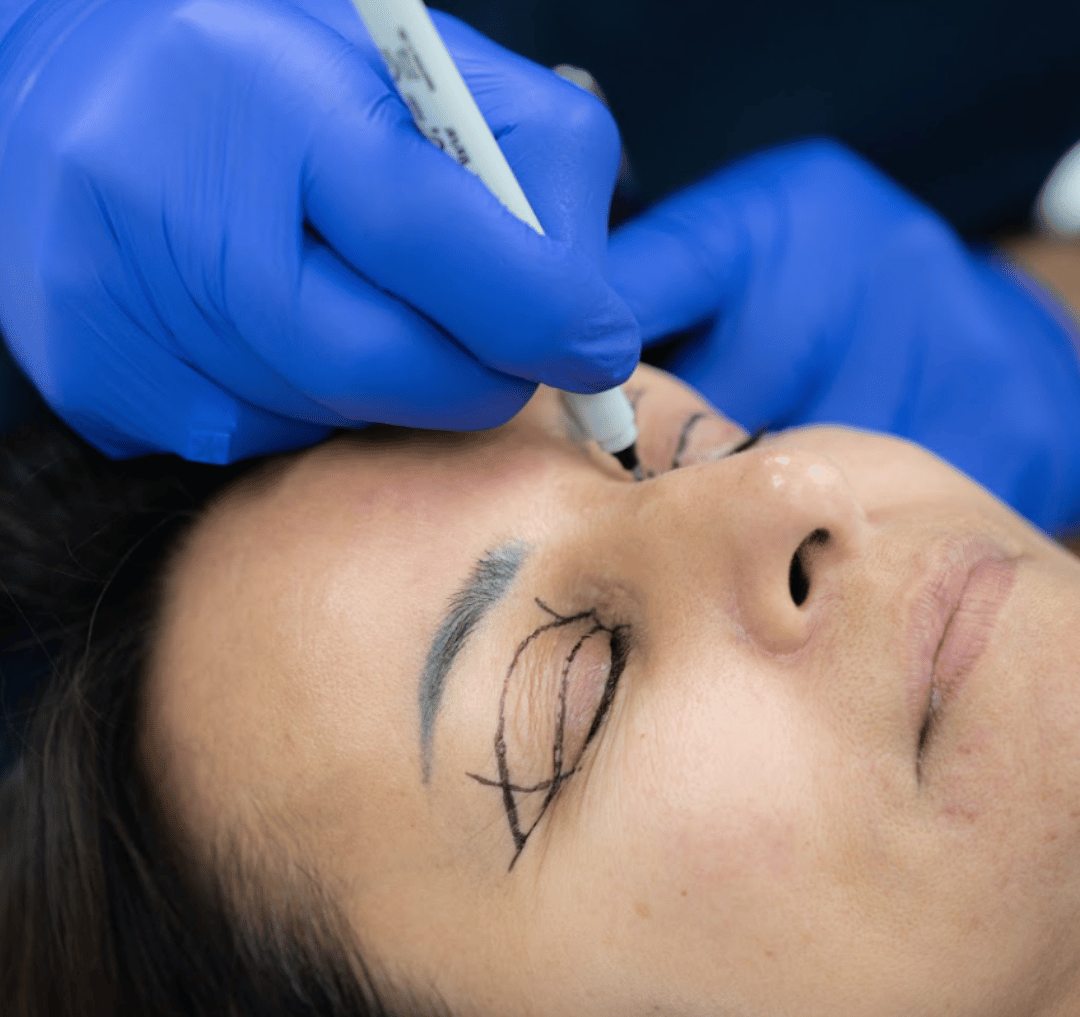
Upper eyelid surgery often uses an incision within the natural eyelid crease. Lower eyelid surgery may involve an incision just beneath the eyelashes or an incision inside the lower eyelid, depending on the clinical findings.
Patients should ask why a particular technique is recommended, what type of anaesthesia will be used, and whether the treatment plan prioritises preserving eyelid support and function. Advanced equipment alone does not determine surgical quality; sound clinical judgement and appropriate surgical skill remain essential.
Safety Standards and Medical Assessment
A suitable provider should conduct a thorough medical assessment before recommending surgery. This may include reviewing medications, allergies, smoking history, previous eye procedures, dry-eye symptoms, and medical conditions that could affect healing.
The clinic should explain the risks and benefits of the procedure, provide clear preoperative instructions, and outline the arrangements for postoperative monitoring. Patients should know whom to contact if they develop unexpected pain, bleeding, visual changes, or other concerning symptoms.
Severe pain, sudden vision changes, or rapidly increasing swelling after eyelid surgery require urgent medical assessment.
Consultation Process
A productive consultation gives patients enough time to explain their concerns and ask questions. The clinician should assess the eyelids, discuss the patient's goals, and explain whether the expected benefits justify the surgical risks.
Patients should be cautious if they feel pressured to book immediately or are promised flawless, permanent results. A responsible specialist recognises that facial anatomy differs between individuals and that the outcome of surgery cannot be guaranteed.
Written information about the procedure, consent, costs, and recovery expectations can also help patients make a considered decision.
Patient Experience and Follow-Up Care
The quality of care extends beyond the day of surgery. Patients should understand how appointments are scheduled, how healing is monitored, and what support is available if recovery does not progress as expected.
It is sensible to ask about time away from work, activity restrictions, wound care, and when makeup or contact lenses may be resumed. The answers will depend on the surgical technique and the patient's healing progress.
Reviews and patient testimonials may offer general context, but they should not replace verification of professional qualifications or an individual clinical assessment.
Expected Results and Long-Term Considerations
Blepharoplasty can improve the appearance of excess eyelid skin and selected forms of under-eye bagging. The goal is generally to create a more rested appearance while preserving the natural shape and function of the eyes.
Swelling and bruising are common during the initial recovery period, and the final appearance takes time to emerge. Incision scars may remain visible initially but often become less noticeable as healing progresses.
The results can be long-lasting, although ageing continues and the skin may gradually change. Some patients may also need treatment for concerns that surgery does not address, such as pigmentation, fine lines, or volume loss.
A realistic understanding of these limitations helps patients assess whether surgery aligns with their expectations.
Frequently Asked Questions
Is blepharoplasty an effective option for eye rejuvenation?
Blepharoplasty can be effective for improving excess upper eyelid skin and certain types of under-eye bags. Its suitability depends on the cause of the concern, the patient's anatomy, and their overall eye health. It is not a universal solution for every sign of ageing around the eyes.
Who is a suitable candidate for eyelid surgery?
Suitable candidates are generally adults in good overall health who have concerns that can be addressed surgically and realistic expectations about the outcome. A specialist should assess eyelid function, dry-eye symptoms, relevant medical conditions, and medication use before recommending treatment.
How long does recovery from blepharoplasty take?
Many patients experience bruising and swelling during the first one to two weeks, although recovery varies. Some people return to light activities within several days, while others need longer. Complete healing and the settling of scars can take considerably more time, so the surgeon's individual instructions should guide recovery.
Are the results of blepharoplasty permanent?
The improvements can last for many years, but the procedure does not stop natural ageing. Skin laxity and other facial changes may gradually develop again. The longevity of the result depends on individual anatomy, the surgical approach, and changes that occur over time.
What are the potential risks of blepharoplasty?
Potential risks include bruising, swelling, infection, bleeding, scarring, asymmetry, dry eyes, difficulty closing the eyelids, and changes in eyelid position. Rare but serious complications can affect vision. Choosing an appropriately qualified surgeon and following postoperative instructions help support safer care but cannot eliminate all risks.
Conclusion
Blepharoplasty is an established surgical approach to eye rejuvenation that can address excess eyelid skin and selected causes of under-eye puffiness. Its modern application centres on careful anatomical assessment, appropriate tissue management, preservation of eyelid function, and realistic expectations rather than simply removing visible signs of ageing.
For patients exploring Blepharoplasty in Dubai, comparing providers such as Dynamic Life Clinic, HealthBay Aesthetics, Enfield Royal Clinic, Tajmeels Clinic, and faisalsalim.com can be a starting point for further research. However, the availability of surgery and the qualifications of the treating specialist should be verified directly with each provider.
Ultimately, the most appropriate choice is a qualified surgical professional who explains the procedure clearly, evaluates individual risks, and provides consistent follow-up care. With careful planning and a suitable clinical indication, eyelid surgery may offer meaningful improvements in appearance while keeping eye health and function central to the treatment decision.
Comments