Choosing between clear aligners and fixed orthodontic treatment is one of the most common decisions for people who want a straighter smile. In modern dentistry, both options are widely used, effective, and professionally recommended depending on the case. However, when comparing Invisalign Dubai and traditional braces, the “better” option depends on lifestyle, dental condition, and long-term expectations.
This guide explains both treatments in detail so you can understand how they work, what makes them different, and which one may suit you best.
Understanding Invisalign Dubai
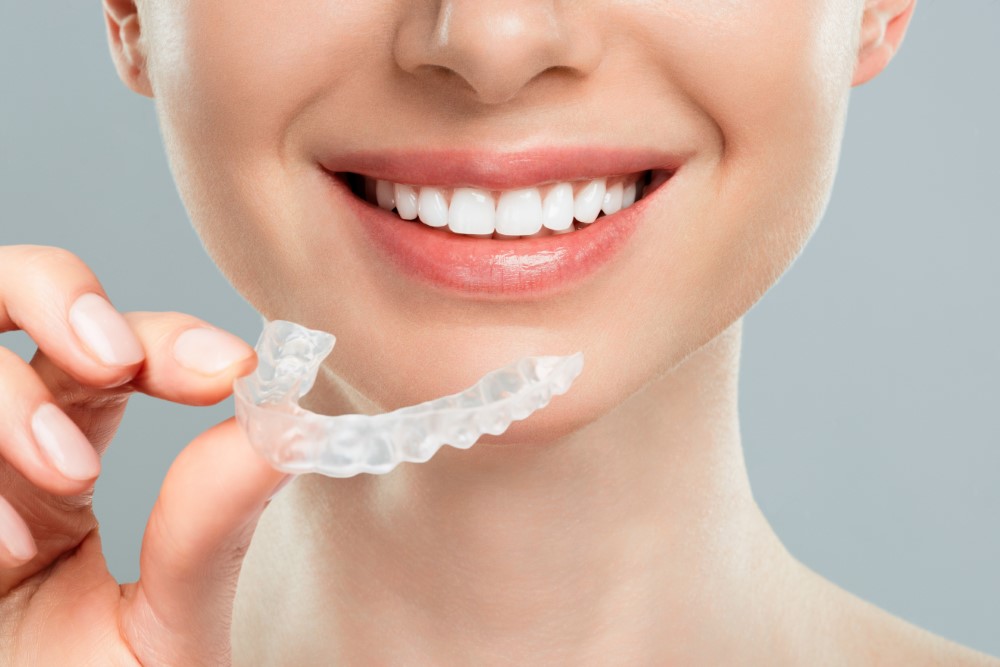
Invisalign Dubai is a modern orthodontic treatment that uses a series of clear, removable aligners to gradually shift teeth into the correct position. Each set of aligners is custom-made and replaced every one to two weeks as the teeth slowly move.
One of the biggest advantages of Invisalign is its near-invisible appearance. Because the aligners are transparent, they are difficult to notice in daily life, making them especially popular among adults and teens who prefer a discreet treatment option.
Invisalign aligners must be worn around 20–22 hours a day for effective results. They can be removed during meals, brushing, and flossing, which allows for better oral hygiene compared to fixed appliances. However, this removability also means that patient discipline plays a major role in treatment success.
Understanding Traditional Braces
Traditional braces use metal or ceramic brackets attached to each tooth, connected by wires that are regularly adjusted by an orthodontist. These adjustments gradually guide the teeth into proper alignment.
Unlike aligners, braces remain fixed in place throughout the entire treatment period. This makes them a “constant force” system that does not rely on patient compliance.
Braces are widely known for their ability to handle more complex dental problems, including severe crowding, bite correction, and significant tooth rotation. They are often considered the more powerful and versatile option in orthodontics.
Invisalign vs Traditional Braces: Key Differences
When comparing both treatments, several important factors help determine which option is better for a specific person.
Appearance and Confidence
Invisalign is almost invisible, which makes it highly appealing for people who do not want visible orthodontic appliances. This can help boost confidence during social or professional interactions.
Traditional braces are clearly visible, although ceramic options are less noticeable than metal ones. However, many patients still choose them because effectiveness is prioritized over appearance.
Comfort and Daily Experience
Invisalign is generally more comfortable because it uses smooth plastic aligners without wires or brackets that can irritate the mouth.
Braces, on the other hand, may cause mild discomfort after adjustments and can sometimes irritate the inner cheeks during the initial adjustment period.
Treatment Effectiveness
This is where the biggest difference appears.
- Invisalign works best for mild to moderate alignment issues such as spacing, crowding, and minor bite problems.
- Traditional braces are more effective for complex cases, including severe misalignment and major bite corrections.
So while both systems are effective, braces offer greater control in difficult orthodontic situations.
Discipline and Responsibility
Invisalign requires strong patient discipline because aligners must be worn consistently for most of the day. Forgetting to wear them can slow down progress or affect results.
Braces do not require this level of responsibility since they are fixed to the teeth and work continuously.
Oral Hygiene and Maintenance
Invisalign makes brushing and flossing easier because aligners can be removed. This reduces the risk of plaque buildup when maintained properly.
Braces require more careful cleaning around brackets and wires, which can make oral hygiene slightly more challenging.
Treatment Duration
Treatment time varies depending on the complexity of the case.
- Invisalign can take anywhere from several months to around two years.
- Braces usually take a similar timeframe but may be faster in complex cases due to stronger control over tooth movement.
Which Option Is Better?
There is no universal winner. The better choice depends on individual needs:
Invisalign Dubai is better if:
- You want a nearly invisible treatment
- You have mild to moderate alignment issues
- You prefer removable appliances
- You are disciplined with daily wear time
Traditional braces are better if:
- You have complex or severe dental misalignment
- You want a fixed, low-maintenance solution
- You prefer the most predictable control over tooth movement
- You do not want to worry about removing or wearing aligners
In simple terms, Invisalign focuses more on aesthetics and convenience, while braces focus more on control and complexity.
Lifestyle Considerations in Dubai
In a fast-paced city like Dubai, lifestyle often plays a major role in choosing orthodontic treatment. Many people prefer Invisalign because it fits easily into social and professional life without affecting appearance.
However, orthodontists still recommend braces for cases that require precise and powerful adjustments, regardless of lifestyle preferences.
Ultimately, a professional consultation is the best way to determine which system suits your dental condition and daily routine.
Conclusion
Both Invisalign and traditional braces are effective and widely trusted orthodontic solutions. The decision is not about which one is universally better, but which one is better for your specific dental needs.
If appearance, flexibility, and comfort matter most, Invisalign may be ideal. If strength, precision, and reliability in complex cases matter more, traditional braces remain the gold standard.
A proper orthodontic evaluation will always provide the clearest answer, ensuring your treatment leads to a healthy, confident smile that lasts a lifetime.
FAQs
Is Invisalign faster than traditional braces?
It depends on the case. Invisalign can be faster for simple corrections, while braces may be more efficient for complex movements.
Are braces more effective than Invisalign?
Braces are generally more effective for severe alignment and bite issues because they provide stronger control over tooth movement.
Does Invisalign hurt less than braces?
In most cases, Invisalign is considered more comfortable because there are no wires or brackets causing irritation.
Can I eat normally with Invisalign?
Yes, Invisalign aligners are removable, so you can eat normally. However, they must be removed during meals.
Which is more expensive: Invisalign or braces?
Costs can be similar, depending on treatment complexity and clinic, though Invisalign can sometimes be slightly higher.
Do both treatments give permanent results?
Yes, but both require retainers after treatment to maintain results long-term.
Comments