How Does Radon Enter Homes Through The Foundation Cracks?
A hidden gas can move into a home without any smell, color, or warning signs, making it difficult to notice until testing is completed. Many homeowners are surprised to learn that Obar radon concerns often begin beneath the structure itself. As soil gases naturally rise from the ground, even small openings in a foundation can create pathways that allow radon to enter indoor spaces and gradually accumulate over time.
Understanding How Radon Forms Beneath Homes
Radon is a naturally occurring radioactive gas produced when uranium breaks down in soil, rock, and groundwater. Because it forms underground, it is present in varying amounts across many regions of the United States. As the gas moves upward through the soil, it seeks areas of lower pressure. Homes built on top of the ground can unintentionally create conditions that draw radon indoors, especially through foundation openings and structural gaps.
Why Foundation Cracks Create Entry Points
Foundation cracks provide direct access between the soil beneath a home and the indoor environment. Although many cracks appear small and harmless, they can still allow gases to pass through. As air pressure changes inside the building, radon can be pulled through these openings and enter basements, crawl spaces, and lower levels. Even tiny fractures can contribute to long-term radon infiltration when left unsealed.
The Pressure Difference That Pulls Radon Inside
Most homes operate at a slightly lower air pressure than the soil surrounding the foundation. This pressure difference acts like a vacuum, drawing soil gases upward through available openings. Heating systems, exhaust fans, fireplaces, and even weather conditions can increase this effect. As a result, radon moves from areas of higher pressure in the soil to areas of lower pressure inside the home, making foundation cracks a common entry route.
Common Types of Foundation Cracks Linked to Radon Entry
Not all foundation cracks look the same, yet many can contribute to radon movement. Vertical cracks often develop as concrete cures and settles over time. Horizontal cracks may result from soil pressure against foundation walls, while floor slab cracks can appear due to shifting ground conditions. Regardless of their shape or size, these openings can provide channels that allow radon to travel from the soil into living spaces.
Other Openings That Work Alongside Foundation Cracks
Foundation cracks are not the only places where radon can enter. Homes often contain multiple openings that increase the potential for gas movement. Some of the most common entry points include:
- Gaps around plumbing pipes
- Construction joints between floors and walls
- Sump pits and drainage systems
- Crawl space soil surfaces
- Openings around utility lines
- Expansion joints in concrete slabs
These areas can work together with foundation cracks, creating several pathways for radon to enter the structure.
How Soil Conditions Affect Radon Movement
The type of soil beneath a home plays a significant role in radon migration. Loose, porous soils such as gravel and sand allow gases to move more freely than dense clay soils. Moisture levels also influence gas movement because water can temporarily block some pathways while creating pressure changes elsewhere. Homes built on highly permeable soils may experience increased radon movement, especially when foundation cracks are present.
Seasonal Changes and Their Impact on Radon Levels
Radon concentrations often change throughout the year due to weather and temperature differences. During colder months, homes are usually sealed more tightly to conserve energy, which can increase indoor radon levels. Snow cover and frozen ground may also trap gases beneath the surface, encouraging movement toward available openings. Consequently, foundation cracks can become even more important pathways during winter when indoor air pressure differences are stronger.
How Water Damage Can Increase Foundation Vulnerabilities
Water intrusion can weaken foundation materials and contribute to crack formation over time. Repeated cycles of moisture expansion and drying may enlarge existing cracks or create new ones. In regions with freeze-thaw conditions, trapped water can expand and place additional stress on concrete surfaces. As foundations deteriorate, opportunities for radon entry may increase, making regular inspections an important part of home maintenance.
Signs That a Home May Have Foundation Issues
Foundation problems are not always obvious, but certain warning signs can indicate structural changes that deserve attention. Homeowners may notice uneven floors, wall cracks, sticking doors, or visible gaps around windows. Although these signs do not confirm the presence of radon, they may suggest conditions that allow soil gases to enter more easily. Evaluating these issues early can help reduce future concerns.
The Importance of Radon Testing
Testing remains the only reliable way to determine whether radon is present at elevated levels inside a home. Since the gas cannot be seen, smelled, or tasted, homeowners cannot depend on physical symptoms or visual inspections alone. Short-term and long-term testing options are widely available and can provide valuable information about indoor air quality. Regular testing is especially important after foundation repairs, renovations, or significant structural changes.
Choosing the Right Testing Approach
Homeowners can choose between do-it-yourself test kits and professional testing services depending on their needs. Short-term tests provide quick results and are useful for initial screening, while long-term tests offer a more complete picture of average exposure levels. Professional testing may be beneficial when buying or selling a property because it often includes detailed reporting and expert interpretation of results.
Effective Ways to Reduce Radon Entry Through Cracks
Reducing radon levels often begins with limiting the pathways that allow the gas to enter. Sealing foundation cracks can help decrease air movement, although sealing alone is usually not considered a complete solution for elevated radon levels. Professional mitigation systems are often recommended when testing reveals significant concentrations. These systems actively redirect radon from beneath the home and safely vent it outdoors.
How Radon Mitigation Systems Work
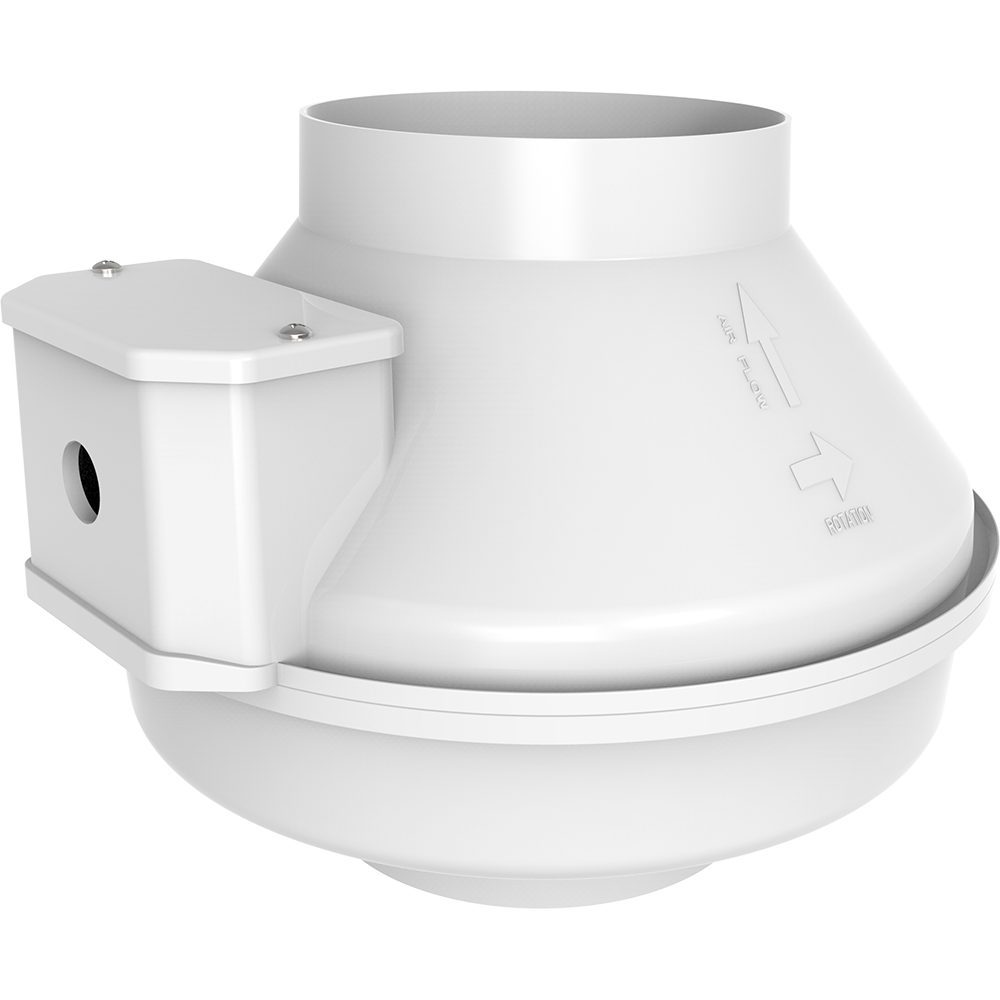
A radon mitigation system typically uses a vent pipe and fan to create negative pressure beneath the foundation. This process captures radon before it enters the home and directs it safely above the roofline. Because the system continuously removes soil gases, it reduces the amount of radon available to enter through cracks and other openings. Proper installation and maintenance are essential for long-term effectiveness.
Preventive Measures for New Construction
Building practices can help reduce future radon concerns before a home is completed. Many modern construction projects include radon-resistant features such as gas-permeable layers beneath slabs, plastic sheeting, sealed openings, and vent pipes. These features make it easier to manage radon if elevated levels are detected later. Incorporating preventive measures during construction is often more cost-effective than making major modifications after occupancy.
Why Professional Inspections Add Value
Professional inspections can identify structural issues and hidden entry points that homeowners may overlook. Experienced inspectors understand how foundations interact with soil conditions, moisture levels, and ventilation systems. Their evaluations can reveal cracks, settlement problems, and areas where radon movement may be occurring. Combining inspections with testing provides a more complete understanding of potential risks and appropriate solutions.
Conclusion
Foundation cracks may appear minor, yet they can serve as important pathways that allow radon to move from the soil into a home. Pressure differences, soil conditions, seasonal changes, and structural wear all contribute to how the gas travels indoors. Because radon cannot be detected without testing, homeowners should make regular testing a priority and address foundation issues promptly. Sealing cracks, maintaining the foundation, and installing mitigation systems when necessary can significantly reduce exposure and support a healthier indoor environment for years to come.
I truly appreciate the helpful knowledge you share. The updated content, well-structured explanations, betflix285 and meaningful insights make this website an excellent resource. Thank you for your effort.
Thank you for sharing such well-organized and informative content. The updated details and clear writing style make your articles very helpful. I appreciate the dedication behind producing valuable information.bck789