Chronic skin conditions are more than surface-level concerns. They affect comfort, confidence, sleep quality, and overall well-being. Persistent issues like eczema, psoriasis, acne, rosacea, and fungal infections require more than temporary relief—they demand structured, medically guided, long-term management. At Derma clinic Dubai, chronic dermatological care is built around precision diagnosis, individualized treatment plans, and continuous monitoring to ensure sustainable results.
Understanding Chronic Skin Conditions: Why They Persist:
Chronic skin disorders often stem from complex internal and external factors. Unlike acute rashes or temporary irritation, these conditions tend to recur or persist for months or years.
Common chronic skin conditions include:
• Eczema (atopic dermatitis)
• Psoriasis
• Chronic acne
• Rosacea
• Seborrheic dermatitis
• Vitiligo
• Recurrent fungal infections
Triggers may include genetics, immune system dysregulation, environmental allergens, stress, hormonal imbalances, and lifestyle habits. Because multiple factors contribute, treatment must address root causes rather than simply suppress symptoms.
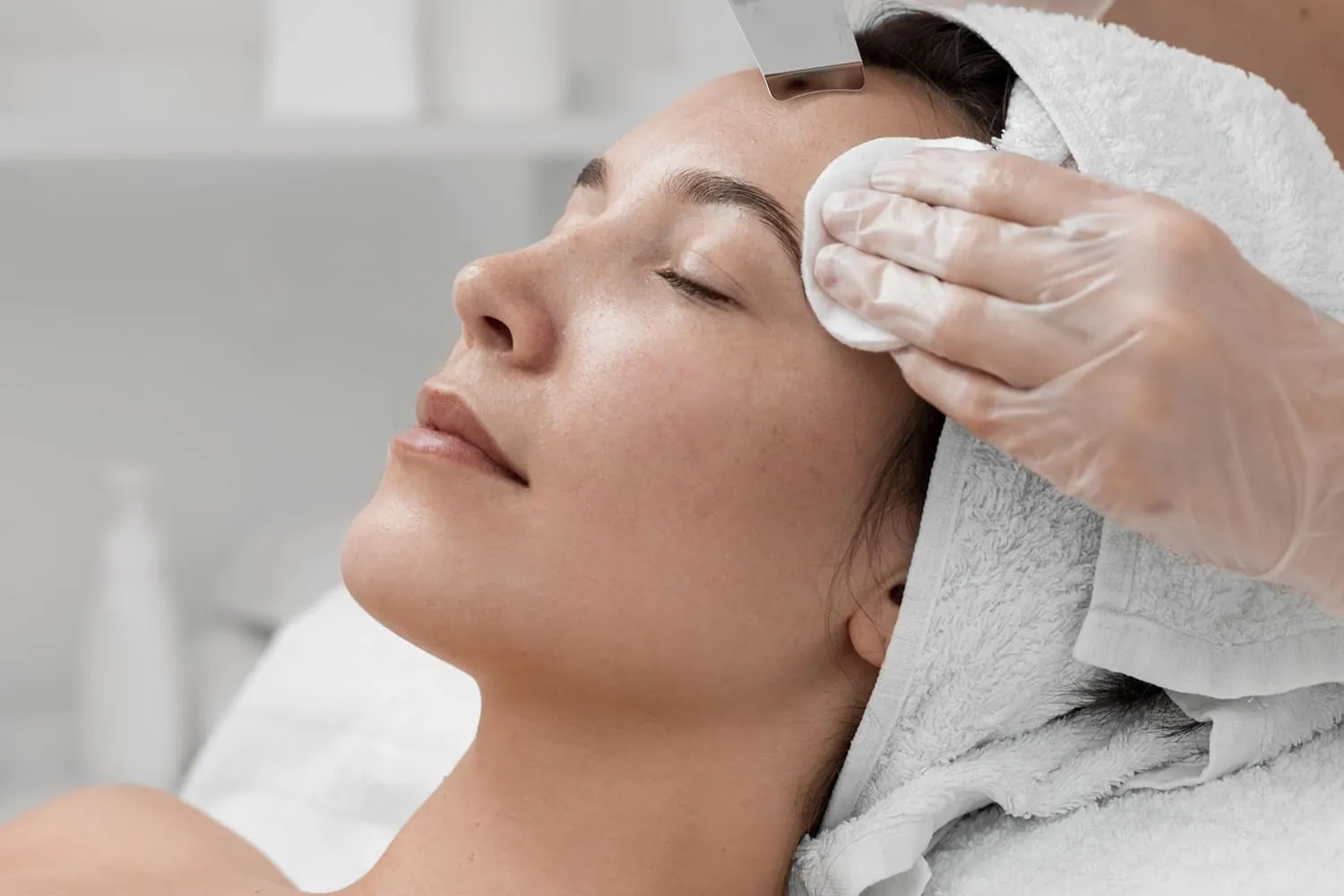
Step 1: Comprehensive Clinical Evaluation
Effective treatment begins with accurate diagnosis. Dermatologists conduct a detailed consultation that may include:
• Medical history review
• Family history assessment
• Skin examination using dermatoscopy
• Allergy or patch testing when required
• Laboratory investigations for complex cases
This thorough evaluation ensures that similar-looking conditions—such as psoriasis and eczema—are correctly differentiated, as their treatment protocols vary significantly.
Personalized Treatment Plans Instead of One-Size-Fits-All Solutions:
Every patient’s skin behaves differently. What works for one individual may worsen another’s condition. At Dermatech Polyclinic, treatment plans are tailored based on:
• Severity of the condition
• Skin type and sensitivity
• Age and medical background
• Lifestyle factors
• Previous treatment response
Personalization increases treatment effectiveness while reducing side effects.
Targeted Medical Therapies for Long-Term Control:
Chronic skin conditions often require structured medical management. Depending on diagnosis, dermatologists may prescribe:
Topical Treatments
• Corticosteroids for inflammation control
• Calcineurin inhibitors for sensitive areas
• Retinoids for acne and psoriasis
• Antifungal creams for persistent infections
Oral Medications
• Antibiotics for inflammatory acne
• Antihistamines for itching
• Immunomodulators for severe psoriasis or eczema
• Hormonal therapies when acne is endocrine-related
Advanced Biologic Treatments
For severe autoimmune-driven conditions like psoriasis, biologic therapies target specific immune pathways, reducing flare-ups and improving quality of life.
Medication plans are carefully monitored to prevent dependency and minimize long-term risks.
Managing Eczema: Strengthening the Skin Barrier
Eczema treatment focuses on reducing inflammation and repairing the compromised skin barrier.
Key strategies include:
• Intensive moisturization therapy
• Trigger identification and avoidance
• Anti-inflammatory topical medications
• Gentle skincare regimens
• Lifestyle modifications to reduce stress
Education plays a vital role. Patients learn how to maintain hydration, choose suitable skincare products, and manage seasonal flare-ups.
Treating Psoriasis with a Multi-Level Approach:
Psoriasis is an autoimmune condition characterized by rapid skin cell turnover. Treatment may include:
• Topical corticosteroids
• Vitamin D analogues
• Phototherapy (light therapy)
• Systemic medications for severe cases
Phototherapy, administered under medical supervision, slows excessive skin cell production and reduces plaque formation. Consistent monitoring ensures optimal results without overexposure.
Chronic Acne: Beyond Surface-Level Treatment
Persistent acne requires more than over-the-counter products. Treatment protocols often include:
• Medical-grade topical retinoids
• Oral antibiotics for inflammatory acne
• Hormonal evaluation for adult acne
• Chemical peels to prevent scarring
• Laser therapy for acne scars
By targeting oil production, bacterial growth, and inflammation simultaneously, dermatologists reduce recurrence and prevent permanent scarring.
Rosacea and Sensitive Skin Care Management:
Rosacea often presents as redness, flushing, and visible blood vessels. Because it can worsen with improper skincare, professional management is essential.
Treatment strategies may involve:
• Anti-inflammatory medications
• Laser therapy for vascular redness
• Customized skincare regimens
• Avoidance of known triggers such as heat and spicy foods
Long-term rosacea control depends heavily on patient awareness and adherence to preventive measures.
The Role of Advanced Dermatological Procedures:
In addition to medication, procedural treatments enhance chronic condition management.
Phototherapy:
Used for psoriasis, vitiligo, and eczema, controlled UV exposure reduces immune overactivity in the skin.
Chemical Peels:
Beneficial for acne and post-inflammatory pigmentation, improving skin texture and tone.
Laser Treatments:
Effective for acne scars, rosacea-related redness, and pigmentation disorders.
Microneedling:
Stimulates collagen production and improves skin resilience in acne scarring and certain chronic conditions.
These procedures are performed under medical supervision to ensure safety and minimize complications.
Lifestyle and Nutritional Counseling:
Chronic skin disorders often improve with supportive lifestyle changes.
Patients may receive guidance on:
• Anti-inflammatory diets
• Stress reduction techniques
• Sleep hygiene
• Hydration
• Avoiding smoking and excessive alcohol
Certain conditions like psoriasis and eczema have known inflammatory triggers that can be minimized through dietary adjustments.
Monitoring and Long-Term Follow-Up:
Chronic conditions require ongoing assessment. Follow-up appointments allow dermatologists to:
• Track progress
• Adjust medications
• Identify early flare-ups
• Prevent complications
Continuous monitoring ensures the treatment remains effective and safe over time.
Preventing Recurrence: Maintenance Therapy
Once symptoms are controlled, maintenance therapy becomes essential. This may include:
• Reduced-frequency topical applications
• Scheduled phototherapy sessions
• Barrier-strengthening skincare
• Preventative oral medications in severe cases
Maintenance prevents sudden flare-ups and reduces the intensity of future episodes.
Emotional and Psychological Support:
Chronic skin conditions can impact self-esteem and mental health. Visible symptoms often cause anxiety and social discomfort.
Holistic dermatological care includes:
• Patient education
• Realistic treatment expectations
• Supportive counseling when necessary
Improving skin health frequently leads to improved emotional well-being.
Safety and Evidence-Based Practice:
Treatment decisions are based on current dermatological research and safety guidelines. Careful medication selection, dosage control, and patient education reduce risks associated with long-term therapies.
The goal is sustainable improvement—not temporary suppression.
Why Early Intervention Matters?
Delaying treatment can lead to:
• Permanent scarring
• Worsening inflammation
• Skin thickening in psoriasis
• Secondary infections
• Increased psychological distress
Early diagnosis and structured management significantly improve outcomes.
Final Thoughts: A Structured Path to Healthier Skin
Chronic skin conditions require patience, consistency, and expert guidance. At Dermatech polyclinic, treatment goes beyond symptom control. It focuses on accurate diagnosis, personalized therapy, advanced procedures, lifestyle integration, and long-term monitoring.
By combining medical expertise with patient education and preventive strategies, lasting control becomes achievable. Chronic skin disorders may not always have a permanent cure, but with the right approach, they can be effectively managed—allowing patients to live confidently and comfortably in their skin.
Comments