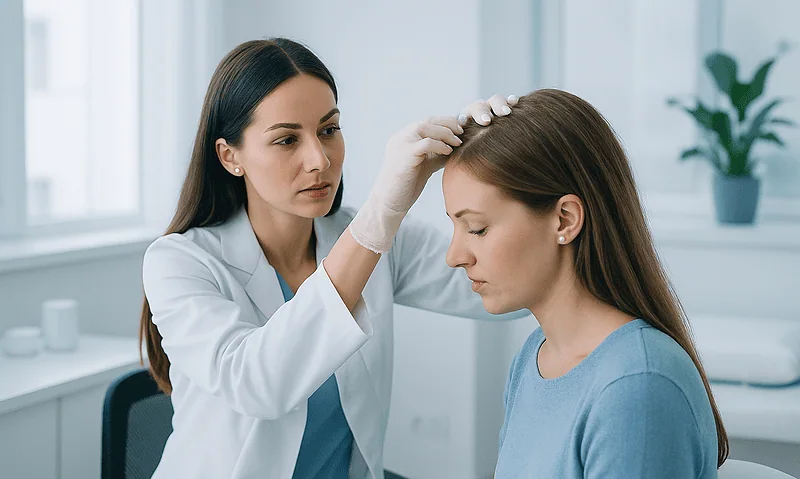
Hair loss is a common concern for both men and women. It can affect confidence, appearance, and the way people feel about themselves. Although hair loss can happen at any age, genetics and ageing are two of the most common factors behind it. Some people start noticing thinning hair in their twenties, while others experience hair loss later in life.
A hair transplant is a popular treatment option for people who want to restore hair growth in areas affected by permanent hair loss. It involves moving healthy hair follicles from one area of the scalp to another. The results depend on several factors, including age, genetics, hair quality, and the availability of healthy donor hair.
People considering Hair Transplant Dubai should understand how these factors affect treatment results. At Biolite Clinic, patients can explore suitable hair restoration options based on their individual hair loss patterns and expectations.
Understanding the connection between age, genetics, and hair loss can help patients make better decisions before choosing a hair transplant procedure.
How Age Affects Hair Loss and Hair Transplant Dubai Results
Age plays an important role in hair loss. Hair naturally changes as people grow older. Hair strands may become thinner, growth may become slower, and the hairline may gradually move backward.
However, ageing affects everyone differently. Some people maintain thick hair throughout their lives, while others experience noticeable thinning at an early age.
Hair Loss During Your Twenties
Hair loss during the twenties is often linked to genetics. Some people begin experiencing a receding hairline or thinning around the crown during this stage.
Although a hair transplant may be possible for younger adults, careful evaluation is necessary. Hair loss can continue over time, which means the transplanted hair may remain while surrounding natural hair becomes thinner.
A medical professional should assess the pattern of hair loss and determine whether it is stable enough for surgery. In some cases, medical treatments may be recommended before considering a transplant.
Hair Loss During Your Thirties
Many people notice more visible hair thinning during their thirties. The hairline may continue to recede, and the crown area may become thinner.
At this age, the hair loss pattern may become easier to understand. Patients may have a clearer idea of which areas need restoration.
A hair transplant can help improve hair density and create a more balanced hairline when the patient is suitable for treatment.
Hair Loss During Your Forties
During the forties, genetic hair loss may become more noticeable. Some people experience significant thinning around the front, middle, or crown of the scalp.
At this stage, a hair transplant may help restore hair in areas affected by permanent hair loss. However, the surgeon must carefully evaluate the donor area to make sure enough healthy follicles are available.
The treatment plan should also consider the possibility of future hair loss.
Hair Loss After the Age of Fifty
People over fifty can also be suitable candidates for hair restoration. Age alone does not determine whether someone can undergo a hair transplant.
The condition of the scalp, general health, donor hair quality, and expectations are more important factors.
Older patients may benefit from a personalised treatment plan that focuses on improving coverage while maintaining a natural appearance.
How Genetics Influence Hair Loss and Hair Transplant Dubai Treatment
Genetics is one of the main reasons people experience hair loss. Hereditary hair loss, also known as androgenetic alopecia, can affect both men and women.
It happens when hair follicles become sensitive to hormones, particularly dihydrotestosterone (DHT). Over time, affected follicles become smaller and produce thinner hair.
Family History and Hair Loss
People who have parents or close relatives with hair loss may have a higher chance of experiencing similar patterns.
For example, some men develop a receding hairline, while others experience thinning around the crown. Women may notice wider partings and reduced hair density across the scalp.
Family history can help medical professionals understand possible hair loss patterns, although it cannot predict exactly when or how much hair someone will lose.
Hormonal Changes and Genetic Hair Loss
Hormones can influence the hair growth cycle. In genetically sensitive hair follicles, DHT can gradually shorten the growth phase and cause hair strands to become thinner.
As this process continues, some follicles may eventually stop producing visible hair.
Understanding the cause of hair loss is important before selecting a treatment. A proper consultation can help determine whether the problem is hereditary or related to another condition.
Why Genetics Matter Before a Hair Transplant
Genetics can influence how hair loss progresses after surgery. Transplanted follicles are usually taken from areas that are more resistant to genetic hair loss.
However, the surrounding natural hair may continue to thin.
For this reason, surgeons need to create a long-term treatment plan. The aim is to achieve a natural-looking result that considers both current hair loss and possible future changes.
Best Hair Transplant in Dubai: Understanding Different Hair Restoration Techniques
Choosing the right hair transplant technique is important for achieving suitable results. Different procedures are available, and the best option depends on the patient's hair condition, donor area, and treatment goals.
When researching the best Hair Transplant in Dubai, patients should focus on the surgeon's qualifications, experience, treatment approach, and the suitability of the recommended technique.
Follicular Unit Extraction (FUE)
FUE is a commonly used hair transplant technique. During this procedure, individual hair follicles are removed from the donor area, usually the back or sides of the scalp.
These follicles are then placed into areas affected by hair loss.
Some benefits of FUE include:
- Individual follicle extraction.
- Small extraction marks instead of one long linear scar.
- A suitable option for different hair restoration needs.
- The possibility of a shorter recovery period compared with some traditional techniques.
The final results depend on the quality of the follicles, surgical technique, and aftercare.
Follicular Unit Transplantation (FUT)
FUT is another hair restoration technique. It involves removing a small strip of scalp from the donor area. Hair follicles are then separated from this strip and prepared for transplantation.
This method may be suitable for patients who need a larger number of grafts and have an appropriate donor area.
Unlike FUE, FUT leaves a linear scar in the donor area. The surgeon should explain the advantages and limitations of both methods before recommending treatment.
Choosing Between FUE and FUT
There is no single technique that is best for everyone. Some patients may benefit from FUE, while others may be suitable for FUT.
The decision depends on hair density, scalp condition, donor hair availability, hairstyle preferences, and the number of grafts required.
At Biolite Clinic, patients can discuss their hair restoration concerns and learn which options may suit their individual needs.
Hair Transplant Dubai: Who Is a Suitable Candidate?
Not everyone experiencing hair loss is automatically suitable for a hair transplant. A proper medical assessment is important before proceeding.
A suitable candidate generally has the following characteristics:
- Noticeable hair loss or thinning in specific areas.
- A healthy donor area with sufficient hair follicles.
- A stable or well-understood hair loss pattern.
- Realistic expectations about hair density and coverage.
- No untreated scalp condition that could affect healing.
- Good general health for undergoing surgery.
People with active hair loss, certain medical conditions, or insufficient donor hair may need additional evaluation before treatment.
A consultation helps determine whether surgery is appropriate or whether another hair restoration option may be more suitable.
Hair Transplant Cost in Dubai: Factors That Affect Treatment Pricing
The Hair Transplant cost in Dubai can vary depending on the patient's hair loss condition, number of grafts, surgical technique, and the clinic providing the treatment.
Understanding these factors can help patients plan their treatment budget.
Number of Hair Grafts Required
The number of grafts is one of the main factors affecting the overall cost.
Patients with a small receding hairline may require fewer grafts than those with extensive thinning across the scalp.
A medical professional evaluates the affected areas and estimates the number of grafts needed.
Hair Transplant Technique
The selected technique can influence the treatment price. FUE and FUT involve different surgical processes, equipment, and levels of work.
The surgeon can explain which method is appropriate and why.
Surgeon's Experience
The surgeon's qualifications, experience, and expertise in hair restoration are important considerations.
Patients should prioritise medical standards and surgical quality rather than choosing a clinic based only on a low price.
Clinic Facilities and Aftercare
The treatment environment, medical equipment, consultation services, and follow-up care may also influence the total cost.
Patients should ask for a clear breakdown of the treatment price before making a decision.
At Biolite Clinic, patients can discuss their concerns and request information about the treatment options and estimated costs following an assessment.
What Happens During a Hair Transplant Procedure at Biolite Clinic?
Understanding the treatment process can help patients feel more confident about their decision.
Initial Consultation and Hair Assessment
The first step is a consultation with a qualified medical professional. The scalp, hair density, donor area, and hair loss pattern are examined.
The patient's medical history and expectations are also discussed.
This assessment helps determine the number of grafts required and the most suitable treatment approach.
Preparing the Donor Area
Before the procedure, the donor area is prepared according to the selected technique.
Local anaesthesia is generally used to reduce discomfort during the procedure.
Hair Follicle Extraction
In an FUE procedure, individual hair follicles are carefully extracted from the donor area. In FUT, a strip of scalp is removed and divided into smaller follicular units.
The extracted follicles are prepared for transplantation.
Implanting the Hair Follicles
The surgeon creates small recipient sites in the areas affected by hair loss.
The follicles are then placed carefully, considering the natural direction, angle, and distribution of existing hair.
Proper placement is important for achieving natural-looking results.
Recovery and Follow-Up
After the procedure, patients receive instructions about scalp care, washing, sleeping positions, and daily activities.
Following these instructions helps support healing and reduces the risk of complications.
Hair Transplant Recovery: What to Expect After Treatment
Recovery is an important part of the hair restoration journey. Patients may experience mild swelling, redness, tenderness, or small scabs around the treated areas.
These effects are generally temporary.
During the first few days, patients should follow their surgeon's instructions carefully. Avoid touching, scratching, or rubbing the transplanted area.
The First Two Weeks
Small scabs usually develop around the transplanted follicles. These gradually fall away as the scalp heals.
Patients should avoid activities that may cause excessive sweating or direct pressure on the scalp until their surgeon advises that it is safe.
Hair Shedding After Transplant
Some transplanted hair strands may fall out during the first few weeks. This is commonly called shock shedding and is a normal part of the hair transplant process.
The transplanted follicles generally remain beneath the skin and can produce new hair later.
New Hair Growth
New hair growth often begins around three to four months after surgery. Noticeable improvements usually develop over the following months.
Many patients see their fuller results between 9 and 12 months, although some may need up to 18 months.
Results vary from person to person.
How to Maintain Hair Transplant Results as You Age
A hair transplant can restore hair in areas affected by permanent hair loss, but it does not stop the natural ageing process or prevent untreated hair from becoming thinner.
Maintaining scalp health is important after treatment.
Some helpful habits include:
- Eat a balanced diet containing protein, vitamins, and minerals.
- Follow a suitable hair care routine.
- Avoid harsh chemical treatments when the scalp is recovering.
- Manage stress and maintain healthy sleeping habits.
- Follow medical advice about hair loss medications when appropriate.
- Attend recommended follow-up appointments.
- Avoid smoking to support general health and healing.
Some patients may benefit from additional medical treatments to help protect their existing natural hair. These options should be discussed with a qualified medical professional.
Why Choose Biolite Clinic for Hair Transplant Dubai?
Choosing a hair transplant clinic is an important decision because the quality of treatment planning and surgical technique can influence the final outcome.
At Biolite Clinic, patients can explore hair restoration options based on their age, genetic hair loss pattern, donor hair quality, and personal goals.
A personalised consultation helps patients understand the procedure, expected recovery, possible risks, and realistic results.
When considering a clinic, patients should ask about:
- The qualifications and experience of the operating surgeon.
- The recommended hair transplant technique.
- The estimated number of grafts.
- Donor area management.
- Possible complications and recovery expectations.
- Long-term planning for continued hair loss.
- Follow-up appointments and aftercare support.
A careful approach can help patients make informed decisions and understand what to expect throughout the treatment journey.
Conclusion
Age and genetics are two important factors that influence hair loss and hair restoration results. Some people experience thinning hair in their twenties, while others notice changes during their forties or later. Genetic factors can also determine how quickly hair loss progresses and which areas of the scalp are affected.
A hair transplant can help restore hair in suitable candidates by moving healthy follicles into areas affected by permanent hair loss. However, proper assessment, donor hair availability, and long-term planning are essential for achieving natural-looking results.
At Biolite Clinic, patients can explore personalised Hair Transplant Dubai options and understand which treatment may suit their needs. Learning about the Hair Transplant cost in Dubai and comparing suitable procedures can also help patients make informed choices. For those searching for the best Hair Transplant in Dubai, choosing qualified medical professionals, realistic treatment planning, and proper aftercare should always be the priority.
Comments