Good health starts from within, and one of the most important systems in the body is the Gut health. Every day, your digestive tract works hard to break down food, absorb nutrients, eliminate waste, and support many functions that influence how you feel. When digestion is working efficiently, you may experience better energy, improved comfort, and greater overall wellness. However, when digestive balance is disrupted, it can lead to bloating, irregular bowel movements, stomach discomfort, and reduced vitality.
In recent years, more people have become interested in gut health because of its connection to overall well-being. Scientists and health experts continue to learn more about how the digestive system influences energy levels, immunity, nutrient absorption, and even daily comfort. Maintaining a healthy digestive system is no longer viewed as simply avoiding stomach problems—it is now recognized as an important part of a balanced lifestyle.
The good news is that supporting digestive wellness does not have to be complicated. Small daily habits, healthy food choices, proper hydration, and consistent routines can make a meaningful difference over time. This guide explores everything you need to know about digestive wellness, common digestive challenges, and practical ways to maintain long-term digestive balance.
Understanding the Digestive System
The digestive system is responsible for processing the food and beverages we consume each day. It breaks down nutrients into forms that the body can absorb and use for energy, growth, and repair.
The digestive process begins in the mouth and continues through the esophagus, stomach, small intestine, large intestine, and colon. Along this journey, food is transformed into nutrients that nourish the body while waste products are removed.
A healthy digestive system contributes to:
- Better nutrient absorption
- Improved energy production
- Regular bowel movements
- Reduced digestive discomfort
- Enhanced overall wellness
- Balanced internal function
When the digestive system is functioning efficiently, many people notice improvements in their daily comfort and vitality.
What Is Gut Health?
The term gut health refers to the overall condition and balance of the digestive tract, including the microorganisms that live within it. These microorganisms, often called the gut microbiome, play an important role in digestion and overall wellness.
The gut microbiome contains trillions of bacteria and other microorganisms. While some bacteria can be harmful, many are beneficial and help support healthy digestion. Maintaining the right balance between beneficial and harmful microorganisms is an important aspect of digestive wellness.
A balanced digestive environment may help:
- Support nutrient absorption
- Promote digestive comfort
- Encourage regular bowel habits
- Maintain digestive efficiency
- Support overall wellness
Taking care of the digestive system can positively affect many aspects of daily life.
Why Gut Health Matters
Many people think of digestion only when they experience discomfort, but the digestive system influences far more than just the stomach.
Supports Nutrient Absorption
The body depends on nutrients from food to function properly. When digestion works efficiently, vitamins, minerals, proteins, fats, and carbohydrates can be absorbed and utilized more effectively.
Promotes Daily Energy
Food provides the fuel needed for daily activities. Proper digestion helps ensure the body receives the nutrients required for energy production.
Supports Immune Function
A significant portion of the body's immune activity is connected to the digestive tract. Maintaining digestive balance can contribute to overall wellness.
Encourages Comfort
Digestive efficiency may help reduce feelings of heaviness, bloating, and occasional digestive discomfort.
Supports Long-Term Wellness
Healthy digestion contributes to overall physical health and may support better daily functioning.
Common Signs of Digestive Imbalance
Digestive concerns can affect people of all ages. While occasional symptoms are common, recurring issues may suggest that the digestive system needs additional support.
Bloating
A feeling of fullness or swelling in the abdomen often occurs when digestion is not functioning optimally.
Gas
Excess gas can develop when food is not processed efficiently or when digestive balance is disrupted.
Irregular Bowel Movements
Both constipation and inconsistent bowel habits may indicate digestive challenges.
Stomach Discomfort
Occasional digestive discomfort after meals may be linked to food choices, stress, or digestive imbalance.
Fatigue
Poor nutrient absorption can sometimes contribute to reduced energy levels.
Recognizing these signs can help individuals make positive lifestyle changes that support digestive wellness.
The Role of Beneficial Bacteria
The digestive tract contains a diverse population of microorganisms that assist with digestion and nutrient processing. These beneficial bacteria contribute to digestive balance and support overall wellness.
Healthy bacteria may help:
- Break down food
- Support nutrient absorption
- Maintain digestive balance
- Promote regular bowel function
- Support digestive comfort
A balanced digestive environment allows these beneficial microorganisms to thrive and contribute to digestive efficiency.
Foods That Support Digestive Wellness
Diet is one of the most important factors influencing digestive health. Choosing nutrient-rich foods can support digestive balance and comfort.
Fiber-Rich Foods
Fiber helps move food through the digestive system and supports bowel regularity.
Examples include:
- Apples
- Pears
- Berries
- Oats
- Beans
- Lentils
- Whole grains
Vegetables
Vegetables provide nutrients and fiber that support healthy digestion.
Examples include:
- Spinach
- Broccoli
- Carrots
- Kale
- Brussels sprouts
Fermented Foods
Fermented foods contain beneficial microorganisms that may support digestive balance.
Examples include:
- Yogurt
- Kefir
- Sauerkraut
- Kimchi
Healthy Fats
Healthy fats support nutrient absorption and overall wellness.
Examples include:
- Avocados
- Olive oil
- Nuts
- Seeds
Water
Hydration plays a critical role in digestion and regular bowel function.
Lifestyle Habits for Better Digestive Health
Healthy habits can significantly improve digestive comfort and efficiency.
Eat Slowly
Taking time to chew food thoroughly helps support digestion and nutrient absorption.
Stay Active
Physical activity supports digestive movement and overall wellness.
Get Adequate Sleep
Sleep is essential for many bodily processes, including digestive function and recovery.
Manage Stress
Stress can affect digestive comfort and digestive balance. Practicing relaxation techniques may help support digestive wellness.
Maintain Regular Meal Times
Eating at consistent times helps establish a predictable digestive rhythm.
The Connection Between Stress and Digestion
Stress affects many systems in the body, including digestion. During stressful periods, the body often prioritizes immediate survival responses rather than digestive processes.
This can contribute to:
- Digestive discomfort
- Changes in appetite
- Slower digestion
- Increased bloating
- Irregular bowel habits
Managing stress through exercise, relaxation, mindfulness, and healthy routines may help improve digestive comfort over time.
How Hydration Supports Digestion
Water is often overlooked when discussing digestive wellness, yet it plays a vital role in many digestive functions.
Benefits of staying hydrated include:
Improved Nutrient Transport
Water helps carry nutrients throughout the body.
Better Digestion
Hydration assists the breakdown and movement of food through the digestive tract.
Regular Bowel Movements
Adequate fluid intake helps support healthy elimination.
Enhanced Comfort
Hydration may help reduce feelings of digestive sluggishness.
Most individuals benefit from drinking water consistently throughout the day.
Daily Habits That May Harm Digestive Health
Certain lifestyle choices can interfere with digestive balance.
Eating Too Quickly
Fast eating can contribute to bloating and digestive discomfort.
Excess Processed Foods
Highly processed foods may negatively affect digestive balance.
Low Fiber Intake
Insufficient fiber can impact regular bowel function.
Inadequate Water Consumption
Poor hydration may contribute to digestive challenges.
Sedentary Lifestyle
Lack of physical activity can affect digestive movement and efficiency.
Making small changes in these areas can have a positive impact on digestive wellness.
Gut Health and Energy Levels
Many people are surprised to learn that digestion and energy are closely connected. The body relies on the digestive system to convert food into usable nutrients and fuel.
When digestion functions efficiently:
- Nutrients are absorbed more effectively
- Energy production is supported
- Daily vitality may improve
- Physical performance can be enhanced
Supporting gut health can help ensure the body receives the nutritional resources it needs for daily activities.
Building a Gut-Friendly Routine
Creating a consistent routine can help support digestive comfort and long-term wellness.
Morning
- Drink a glass of water
- Eat a balanced breakfast
- Include fiber-rich foods
Afternoon
- Stay hydrated
- Take short walks
- Choose nutritious meals
Evening
- Avoid overeating
- Practice stress management
- Maintain consistent sleep habits
These simple habits can contribute to improved digestive balance over time.
Long-Term Benefits of Good Digestive Health
Maintaining a healthy digestive system offers benefits that extend beyond digestion itself.
Improved Comfort
Balanced digestion can reduce common digestive concerns.
Better Nutrient Absorption
Efficient digestion helps the body make better use of nutrients.
Enhanced Daily Energy
Improved nutrient utilization may support consistent energy levels.
Greater Wellness
Digestive balance contributes to overall health and quality of life.
Consistent Digestive Function
Healthy habits help support regular digestion and long-term comfort.
Individuals who prioritize gut health often find it easier to maintain healthy lifestyle habits and daily wellness routines.
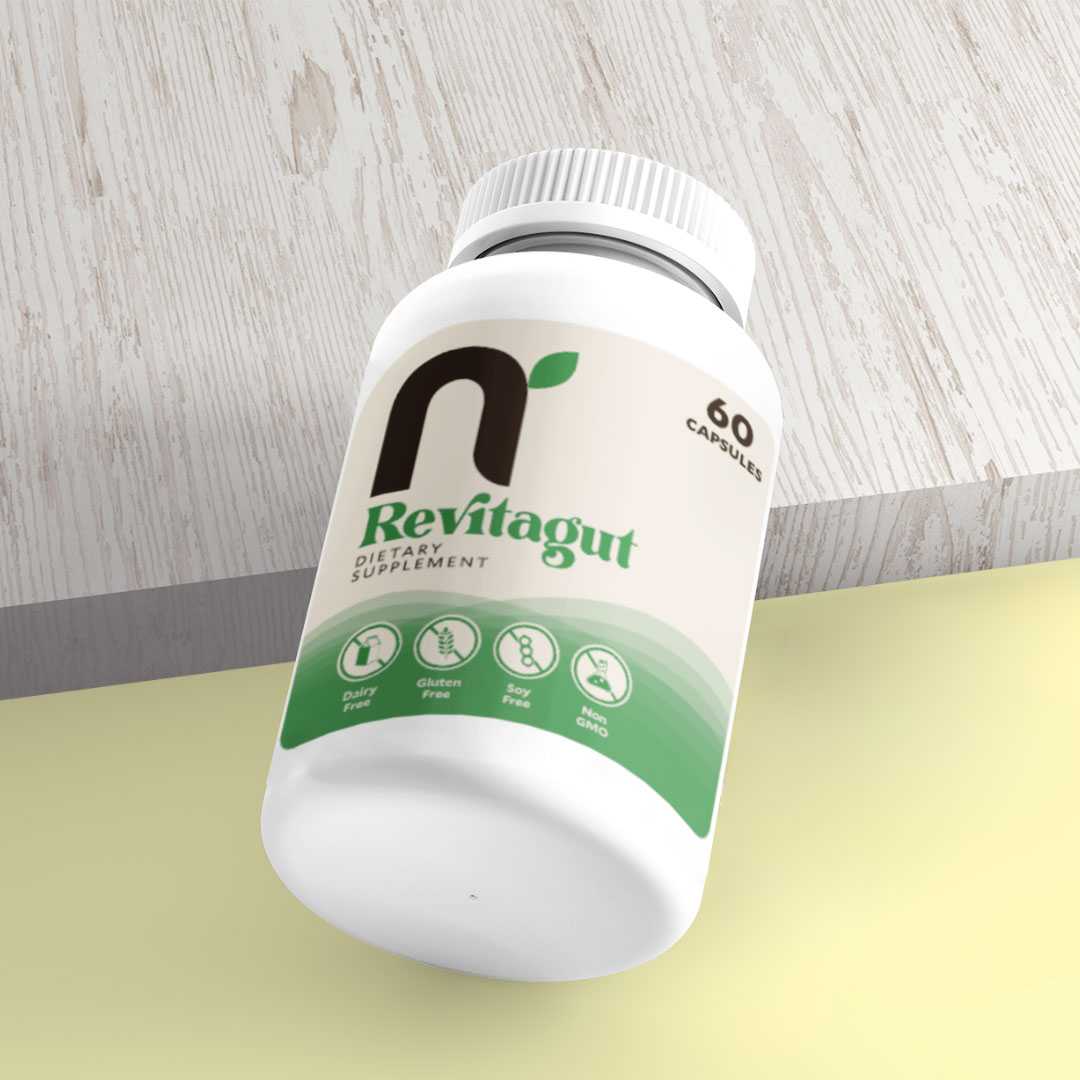
For more practical advice on digestive wellness, healthy eating habits, and supporting long-term gut health, explore RevitaGut for helpful educational resources and wellness information.
Conclusion
The digestive system is one of the most important foundations of overall wellness. It affects nutrient absorption, energy production, digestive comfort, and many other aspects of daily life. While digestive challenges are common, they can often be improved through healthy habits, balanced nutrition, regular physical activity, stress management, and proper hydration.
Supporting gut health does not require complicated routines or drastic lifestyle changes. Small, consistent improvements can lead to meaningful long-term benefits. By focusing on healthy foods, digestive balance, hydration, and overall wellness, individuals can enjoy greater comfort, better energy, and improved quality of life.
A healthier digestive system supports a healthier you. Taking steps today to care for your digestion can help create a stronger foundation for wellness in the future.
this product is very helpful for this problem.
Comments