Deciding to get a Full STD Panel in Dubai is an important step toward protecting your sexual health. While comprehensive STD testing is straightforward, understanding what happens before the test can improve accuracy, reduce anxiety, and help you get the most meaningful results. Knowing how to prepare and what factors influence testing outcomes empowers you to approach the process with confidence and clarity.
Why Preparation Matters for STD Testing?
Preparation plays a key role in ensuring reliable STD test results. Certain behaviors, medications, or timing issues can affect how infections are detected. A full STD panel is designed to be thorough, but being informed before testing helps minimize the risk of inconclusive or misleading outcomes.
Proper preparation also allows individuals to ask the right questions and set realistic expectations about what the screening can and cannot detect at a given time.
Understanding What a Full STD Panel Covers:
Before testing, it is helpful to understand the scope of a full STD panel. Comprehensive screening typically includes tests for common bacterial and viral sexually transmitted infections. These may include chlamydia, gonorrhea, syphilis, HIV, and hepatitis, along with other infections depending on individual risk factors.
Knowing which infections are included helps individuals understand the purpose of each test and how the results contribute to an overall picture of sexual health.
Choosing the Right Time to Get Tested:
Timing is one of the most important factors in STD testing. Many infections have window periods during which they may not yet be detectable. Testing too soon after exposure can lead to false-negative results, even with comprehensive STD screening.
If there has been a recent potential exposure, healthcare providers may recommend waiting an appropriate amount of time or scheduling follow-up testing. Understanding window periods helps ensure that a full STD panel delivers the most accurate information possible.
Factors That May Affect Test Accuracy:
Certain factors can influence STD test results. Recent antibiotic use may interfere with bacterial infection detection, while immune system conditions can affect how viral infections appear in blood tests. Sexual activity shortly before testing may also impact certain sample types.
Being transparent about recent medications, symptoms, and exposures allows healthcare providers to interpret results more accurately. This information ensures that comprehensive STD testing is tailored to individual circumstances.
How to Prepare Physically Before the Test?
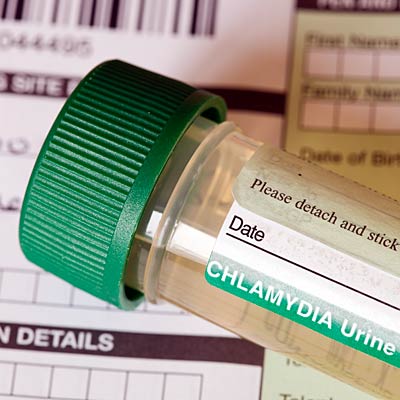
Physical preparation for a full STD panel is usually minimal, but a few simple steps can help improve accuracy. Some tests may require avoiding urination for a short period beforehand, particularly urine-based screenings for infections like chlamydia and gonorrhea.
Following any provided instructions carefully helps ensure that samples are suitable for analysis. Proper preparation reduces the likelihood of needing repeat testing.
What to Expect During the Testing Process?
Understanding the testing process itself can help reduce anxiety. A full STD panel typically involves collecting one or more types of samples, such as blood, urine, or swabs. The process is generally quick and minimally invasive.
Testing environments prioritize confidentiality and comfort. Knowing what to expect during sample collection makes the experience more manageable and encourages regular sexual health screening.
Managing Emotional Concerns Before Testing:
It is normal to feel nervous before STD testing, even when there are no symptoms. Concerns about results, stigma, or judgment can create emotional barriers. Recognizing these feelings and understanding that STD testing is a routine healthcare practice can help ease anxiety.
A full STD panel provides clarity, whether results are negative or require follow-up. Approaching testing with a mindset focused on health rather than fear makes the process more empowering.
Questions to Ask Before a Full STD Panel:
Being informed means knowing what questions to ask. Individuals may want to ask about which infections are included, how long results typically take, and whether follow-up testing may be necessary. Understanding how results will be communicated is also important.
Asking questions ensures that comprehensive STD testing aligns with personal health goals and expectations. Clear communication supports better decision-making before and after testing.
Understanding Result Timelines and Next Steps:
Before testing, it helps to understand that different tests may have different processing times. Some results may be available sooner than others, depending on the type of infection being screened.
Knowing this in advance helps manage expectations and reduces unnecessary worry. Healthcare providers can explain how and when results will be shared and what steps may be recommended based on outcomes.
Planning for Follow-Up and Retesting:
In some situations, a single full STD panel may not provide all the answers. Follow-up testing may be recommended if there is a recent exposure or if results fall within a window period. Planning for this possibility ahead of time supports better long-term care.
Regular STD testing is often part of an ongoing sexual health strategy rather than a one-time event. Understanding this helps individuals stay proactive and engaged in their healthcare.
Integrating STD Testing Into Your Health Routine:
Viewing a Full STD Panel as part of routine healthcare rather than an exceptional event encourages consistency. Regular screening supports early detection and prevention, making it easier to address infections before they cause complications.
Integrating comprehensive STD testing into annual checkups or wellness routines normalizes sexual health care and reduces stigma.
Final Thoughts Before You Test:
Preparing for a full STD panel involves more than just showing up for the test. Understanding timing, preparation, and expectations helps ensure accurate results and a more positive experience.
By taking the time to prepare and ask questions, individuals can approach comprehensive STD testing with confidence. A full STD panel is a proactive step toward informed, responsible sexual health and long-term well-being.
Comments