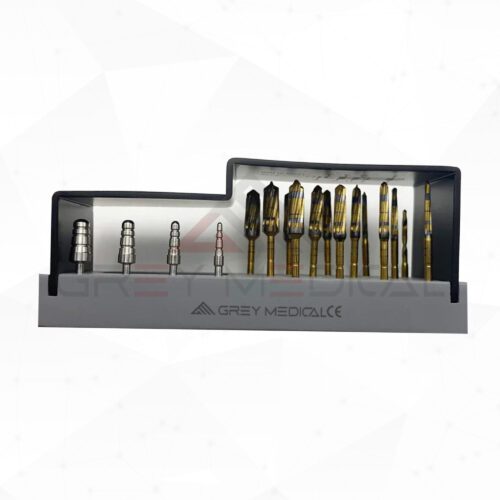
Dental implant procedures require precision, proper planning, and reliable instruments to achieve successful clinical outcomes. A high-quality dental implants kit helps dental professionals perform implant procedures with accuracy, efficiency, and confidence. Having the right instruments available supports an organized workflow and helps clinicians manage different stages of implant placement.
Choosing suitable dental instruments is an important part of maintaining consistent clinical standards. From initial preparation to implant placement, every instrument has a specific purpose in supporting the dental professional throughout the procedure.
Why Choose a Quality Dental Implants Kit?
A well-organized dental implants kit provides dental professionals with essential instruments designed to support implant procedures. These kits may include specialized drills, drivers, depth gauges, and other components depending on the system and clinical requirements.
Instrument quality matters because precision is essential in implant dentistry. Durable materials, comfortable handling, and carefully designed instrument features can help professionals maintain control during procedures. Selecting appropriate instruments also helps create a more organized working environment.
Dental professionals should consider compatibility, material quality, sterilization requirements, and the specific needs of their implant system when choosing a kit.
Essential Features of Dental Implant Instruments
The effectiveness of implant instruments depends on their design and functionality. High-quality instruments should offer dependable performance, comfortable handling, and reliable construction.
Stainless steel is commonly used in surgical instruments because of its durability and resistance to corrosion when properly maintained. Ergonomic designs can also improve handling and provide better control during clinical procedures.
Another important consideration is organization. A properly arranged dental implants kit allows dental professionals to identify and access the required instruments more efficiently. Organized storage can also support proper cleaning, sterilization, and instrument management.
The Importance of Proper Instrument Selection
Every dental implant procedure has specific clinical requirements. Therefore, selecting suitable instruments should always be based on the treatment plan, implant system, and professional judgment.
Dental professionals should choose instruments that meet established quality standards and follow manufacturer instructions for use. Proper maintenance and sterilization are equally important for supporting patient safety and extending instrument life.
Grey Medical® is a privately owned medical technology company dedicated to innovation and excellence in the craft of surgical instruments.
With a focus on quality and precision, reliable surgical instruments play an important role in supporting dental professionals. Choosing dependable products can contribute to an efficient workflow and a more organized clinical environment.
Maintaining Your Dental Implant Instruments
Proper care helps preserve instrument performance over time. Dental professionals should follow the manufacturer's cleaning, inspection, and sterilization instructions after every use.
Regular inspections can help identify signs of wear, damage, or corrosion. Instruments that no longer meet clinical requirements should be replaced according to professional guidelines.
Maintaining an organized instrument setup also helps dental teams prepare for procedures more efficiently.
Conclusion
Choosing the right dental implants kit is an important consideration for dental professionals who value precision, quality, and efficiency. From specialized drills to implant drivers, each component contributes to an organized clinical workflow. By selecting dependable instruments, following proper maintenance practices, and prioritizing quality, dental professionals can support consistent implant procedures. Grey Medical® remains dedicated to innovation and excellence in the craft of surgical instruments, helping meet the needs of modern dental professionals.
Comments