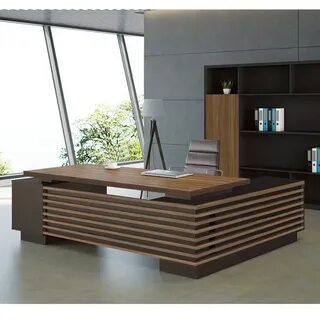
Creating a comfortable and functional workspace starts with choosing the right office furniture. Whether setting up a home office or designing a corporate workspace, furniture plays a critical role in productivity, comfort, and overall efficiency. Investing in ergonomic office furniture helps reduce strain on the body, improves posture, and enhances workflow. Chairs with proper lumbar support, height-adjustable desks, and well-designed storage solutions contribute to a more efficient office environment. Employees who work long hours need comfortable seating arrangements to prevent fatigue and back pain. Similarly, desks should be spacious enough to accommodate daily work essentials while ensuring easy accessibility. Choosing high-quality materials also increases durability, reducing the need for frequent replacements. Offices that prioritize ergonomics create a more positive and productive working atmosphere.
Conference Table Dimensions for Meeting Spaces
Conference rooms serve as collaborative hubs where teams discuss strategies, hold client meetings, and conduct important presentations. Selecting the right conference table dimensions is crucial to ensuring comfortable seating arrangements and efficient use of space. The size of the table should be based on the number of participants and the available room size. For small teams of four to six people, a table that measures around 6 to 8 feet in length is ideal. Medium-sized conference rooms hosting eight to ten people typically require tables between 10 and 12 feet. Large boardrooms accommodating more than twelve individuals often need tables that range from 14 to 20 feet in length. Additionally, the width of the table should provide enough space for documents, laptops, and other materials without causing crowding. Considering the shape of the table is also important—rectangular tables are common for formal meetings, while round tables encourage more interactive discussions. Adjustable conference tables with cable management options enhance functionality, ensuring a clutter-free and professional-looking space.
Maximizing Space with Multi-Functional Office Furniture
Office spaces often have limited square footage, making it essential to choose furniture that maximizes space efficiency. Multi-functional office furniture helps create a well-organized and adaptable workspace. Desks with built-in storage, foldable tables, and modular seating solutions allow businesses to make the most of available space. Adjustable desks that transition from sitting to standing positions support employee well-being by promoting movement throughout the day. Filing cabinets that double as side tables and wall-mounted shelves help declutter the workspace while providing additional storage. Open-plan offices benefit from mobile workstations that employees can move according to their needs. For shared workspaces, partitions with built-in storage allow for privacy while maintaining an open and collaborative environment. Compact yet functional office furniture designs make even small offices feel spacious and efficient.
Stylish and Functional Office Chairs for Comfort
Office chairs are one of the most important pieces of furniture in any workplace. Since employees spend several hours seated at their desks, investing in ergonomic chairs improves posture and prevents discomfort. Features such as adjustable armrests, lumbar support, and breathable mesh backs contribute to better comfort and productivity. Executive chairs with cushioned seats and reclining functions provide additional support for long meetings and extended work hours. Task chairs with swivel capabilities and height adjustments allow for flexibility in movement, reducing strain on the back and shoulders. Meeting room chairs should be both comfortable and space-efficient, allowing participants to focus without distractions. For creative workspaces, stylish accent chairs add a modern touch while maintaining ergonomic benefits. Choosing office chairs that blend comfort and aesthetics enhances the overall look and functionality of the workspace.
Smart Storage Solutions for an Organized Office
A clutter-free office environment promotes efficiency and reduces distractions. Smart storage solutions help keep office supplies, documents, and personal items organized while maintaining a professional appearance. Filing cabinets, bookshelves, and mobile pedestals provide ample storage without taking up excessive space. Lockable storage units add an extra layer of security for confidential documents. Floating shelves maximize wall space, keeping desks clear and organized. For open-plan offices, storage dividers double as partitions, creating designated work areas without feeling confined. Digital storage solutions, such as cloud-based filing systems, further enhance organization by reducing the need for physical paperwork. Combining traditional and modern storage methods ensures a well-structured and efficient workspace.
Choosing the Right Materials for Office Furniture
The durability and aesthetics of office furniture depend on the materials used in its construction. Wood, metal, glass, and laminate are common materials, each offering unique benefits. Solid wood desks and tables provide a classic, professional look while ensuring longevity. Metal frames add durability and a contemporary touch, making them suitable for modern office settings. Glass surfaces create a sleek, open feel but require frequent cleaning to maintain their appearance. Laminate furniture offers cost-effective solutions with a variety of finishes and styles. Upholstered chairs with high-quality fabric or leather ensure long-lasting comfort and elegance. When selecting office furniture, it is essential to balance durability, maintenance, and style to create a visually appealing yet functional workspace.
Enhancing Workplace Productivity with Thoughtful Furniture Choices
The right office furniture layout significantly impacts workplace productivity. Arranging desks and workstations to encourage collaboration while maintaining personal space fosters a balanced work environment. Open layouts with shared desks enhance teamwork, while private cubicles support focused tasks. Conference tables should be positioned to allow easy movement while accommodating necessary technology, such as projectors and video conferencing equipment. Break areas with comfortable lounge seating provide employees with a space to relax and recharge. Standing desks and treadmill desks encourage movement, helping to reduce the negative effects of prolonged sitting. Investing in furniture that aligns with employee needs improves motivation, engagement, and overall job satisfaction.
Conclusion
Choosing high-quality office furniture ensures a comfortable, efficient, and stylish workspace. From ergonomic chairs to conference table dimensions that suit different meeting spaces, every piece of furniture plays a role in enhancing productivity and comfort. Smart storage solutions, multi-functional designs, and durable materials contribute to a well-organized and long-lasting office setup. By investing in the right furniture, businesses create a professional and inviting environment that supports employees and impresses clients. Whether designing a new office or upgrading an existing space, selecting furniture with functionality and aesthetics in mind leads to a more productive workplace. Office Furniture provides a wide range of solutions tailored to meet the needs of modern workspaces, ensuring comfort, efficiency, and style.
Comments