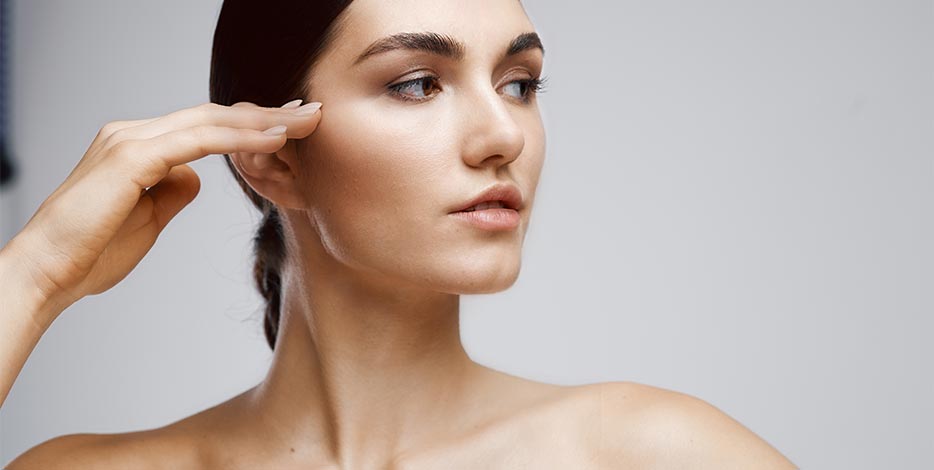
The position of the eyebrows plays an important role in facial expression, symmetry and the overall appearance of the upper face. Even small differences in brow height or shape can influence how the eyes look and how the forehead and eyelids relate to one another. For people considering cosmetic treatment, understanding the natural position of the eyebrows is an important first step in determining whether a brow lift may be appropriate.
Before recommending treatment, a qualified practitioner assesses several features, including brow height, forehead movement, eyelid position, facial proportions and individual aesthetic preferences. The purpose of this assessment is to understand the existing anatomy and identify which areas may benefit from a change in brow position.
For anyone researching Brow Lift in London, an initial consultation provides an opportunity to discuss concerns about a heavy-looking brow, changes in facial appearance over time or differences between the two sides of the forehead. Rather than relying on a single measurement, the assessment considers how the eyebrows sit naturally and move during everyday facial expressions.
At Bodyvie Clinic, understanding the relationship between brow position and the surrounding facial features is an important consideration when exploring brow lift treatment options. A personalised assessment helps establish realistic expectations and supports a treatment plan based on the individual's anatomy and goals.
Why Is Brow Position Important Before Treatment?
The eyebrows contribute to the expression and balance of the upper face. Their position influences the appearance of the forehead, upper eyelids and eyes, while their shape can affect whether the face appears relaxed, alert or concerned.
When assessing brow position, a practitioner considers the relationship between the eyebrows and the underlying facial structures. Some people naturally have lower-set eyebrows, while others notice a gradual change in their position over time. These differences do not necessarily indicate a problem, but they may influence a person's interest in cosmetic treatment.
A brow that sits lower than an individual prefers can sometimes contribute to a heavier appearance around the upper eyelids. However, the appearance of heaviness may also be related to excess eyelid skin, the natural structure of the eye socket or a combination of factors.
Distinguishing between these possibilities is important because a brow lift and upper eyelid surgery address different anatomical concerns. A brow lift focuses on the position of the eyebrows and the tissues around them, whereas upper blepharoplasty primarily addresses excess skin and, where appropriate, other eyelid tissues.
The assessment therefore begins by identifying the source of the concern rather than assuming that every heavy-looking upper eyelid requires the same treatment.
How Is Natural Brow Height Measured?
One of the first stages of a brow lift consultation involves examining the natural height of the eyebrows in relation to the eyes and forehead. The practitioner observes where each brow sits when the face is relaxed and the forehead muscles are not being deliberately activated.
This resting position provides useful information about the individual's natural anatomy. The practitioner may examine the distance between the eyebrow and the upper eyelid, the contour of the brow and the relationship between the brow and the surrounding facial features.
Measurements can help document these observations, but there is no single eyebrow height that is ideal for everyone. Facial structure, age, skin characteristics and personal preferences all influence what may look balanced on an individual.
The practitioner also evaluates the shape of the brow. Some people naturally have a relatively straight brow, while others have a more pronounced arch or a higher outer brow. These characteristics are considered when discussing the desired outcome.
The aim is not necessarily to raise the eyebrows as much as possible. Instead, the assessment explores whether a change in position could create a more harmonious appearance while respecting the person's natural facial proportions.
How Are Facial Symmetry and Brow Shape Evaluated?
Facial symmetry is another important consideration during a brow lift assessment. Although the face is rarely perfectly symmetrical, differences in eyebrow height, arch, length or curvature can affect the overall appearance of the upper face.
The practitioner compares both eyebrows while the individual is sitting upright and looking straight ahead. This position helps establish a consistent view of the face and makes it easier to identify natural variations.
Several features may be considered during this examination:
- The height of the inner, central and outer portions of each eyebrow.
- Differences in the shape and definition of the brow arches.
- The relationship between the eyebrows and the upper eyelids.
- Variations in forehead movement on the left and right sides.
- The overall balance between the eyebrows, eyes and forehead.
These observations help the practitioner understand whether the concern relates primarily to brow height, brow shape or asymmetry.
It is also important to distinguish between structural asymmetry and differences caused by muscle activity. For example, one eyebrow may rise more than the other when a person speaks or expresses surprise. This movement pattern may influence how the eyebrows appear in photographs or during conversation.
A thorough assessment considers both the resting appearance and the way the eyebrows behave during facial expressions. This helps ensure that any proposed treatment reflects the individual's actual movement patterns rather than a single static observation.
What Role Does Forehead Muscle Movement Play?
The forehead muscles influence eyebrow position by lifting or lowering the surrounding tissues. Their activity can change the appearance of the eyebrows considerably, making movement assessment an important part of treatment planning.
During the consultation, the practitioner may ask the individual to raise their eyebrows, frown and relax the forehead. Observing these movements provides information about muscle activity, brow mobility and differences between the two sides of the face.
Some people habitually raise their eyebrows to make the eyes appear more open. Others use their forehead muscles to compensate for a heavy upper eyelid. In these situations, the resting position of the eyebrows may not tell the whole story.
The practitioner considers whether the forehead muscles are working naturally or compensating for another anatomical feature. This distinction can help clarify whether the primary concern involves the eyebrows, the eyelids or both.
Muscle movement also affects how a brow lift result may be perceived. A treatment plan should account for the way the face moves during ordinary activities, rather than focusing exclusively on its appearance when completely still.
Understanding these patterns helps support a more individualised approach to planning and discussing potential outcomes.
How Are the Eyebrows and Upper Eyelids Assessed Together?
The eyebrows and upper eyelids are closely connected in their appearance and function. For this reason, a brow lift consultation usually includes an examination of the upper eyelid area rather than treating the brow as an isolated feature.
The practitioner looks at the amount and distribution of upper eyelid skin, the position of the eyelid crease and the distance between the eyebrow and the eyelashes. These details help establish whether the appearance of heaviness is mainly related to brow position or excess eyelid skin.
For some individuals, the eyebrows sit relatively low while the eyelid skin itself is not the main concern. For others, the brow position may be satisfactory, but excess skin around the upper eyelids creates the appearance they wish to address.
There are also situations in which both areas contribute to the concern. In such cases, the practitioner may discuss whether separate or combined approaches should be considered, depending on the clinical findings and the individual's preferences.
The assessment should also distinguish brow position from eyelid function. If there are concerns about difficulty keeping the eyes open or changes in the eyelid margin, further evaluation may be appropriate before a cosmetic treatment plan is developed.
This broader examination helps avoid selecting a procedure based solely on the visible appearance of the upper eyelids.
How Do Age and Skin Characteristics Affect Brow Assessment?
Skin elasticity and the distribution of soft tissue can influence how the eyebrows sit and how their position changes over time. As skin and supporting tissues change with age, some individuals notice that the outer eyebrows appear lower or that the upper eyelids look heavier than they previously did.
However, age alone does not determine whether a brow lift is suitable. People of the same age can have very different facial structures, skin characteristics and aesthetic concerns.
During the consultation, the practitioner examines the forehead skin, the tissues around the eyebrows and the overall quality of the surrounding skin. Skin thickness, elasticity and the existing brow contour may influence which treatment approaches are worth discussing.
Previous cosmetic procedures may also be relevant. Treatments involving the forehead, eyebrows or upper eyelids can affect the appearance of the area and should be included in the medical and treatment history.
The practitioner's goal is to understand the current anatomy and consider how the tissues may respond to the proposed approach. This supports realistic discussions about the degree of change that may be achievable and how the result could relate to the individual's facial features.
How Are Personal Goals Considered During a Brow Lift Consultation?
An anatomical assessment is only one part of planning brow lift treatment. Understanding what the individual hopes to change is equally important.
Some people are concerned that their eyebrows make them look tired, while others notice a heavy appearance around the outer eyes. Some wish to address visible asymmetry, whereas others want to maintain their natural brow shape while exploring a modest adjustment in position.
During the consultation, the practitioner discusses these concerns and clarifies the features that matter most to the individual. This conversation helps establish whether the requested change is consistent with the person's anatomy and whether a brow lift is an appropriate option to explore.
Photographs may be used to document the existing appearance and support discussions about brow shape and facial proportions. They can also help clarify the difference between the individual's current position and their preferred appearance.
The consultation should include a discussion of realistic outcomes. A practitioner can explain the changes that may be achievable, the limitations of the proposed approach and whether an alternative treatment may better address the concern.
For those considering Brow Lift Surgery London, this personalised discussion is an essential part of making an informed decision. The objective is to develop a plan that takes account of both clinical findings and the individual's expectations, rather than pursuing a particular brow height or shape without considering the rest of the face.
What Happens After the Brow Position Assessment?
Once the examination is complete, the practitioner brings together the findings from the resting brow position, facial symmetry, muscle movement, eyelid anatomy, skin characteristics and personal goals.
The next step is to discuss whether a brow lift may be suitable and, if so, which approach could be considered. Different surgical techniques may be appropriate depending on the pattern of brow descent, the areas requiring adjustment and the individual's anatomy.
The practitioner may also explain when a different approach, such as upper eyelid surgery, could be more relevant. In some cases, further assessment may be needed before a recommendation can be made.
A treatment discussion should cover the intended changes, the expected recovery process, any relevant aftercare and the practical considerations involved in planning the procedure. The individual should have time to ask questions and understand the proposed approach before deciding how to proceed.
It is also useful to clarify which aspects of brow position are likely to change and which natural characteristics will remain. This helps create a shared understanding of the intended outcome.
Choosing a Brow Lift Clinic in London should involve looking for an appropriate consultation process, clear explanations and a practitioner who considers the complete upper-face anatomy rather than focusing on brow height alone.
Conclusion
Assessing brow position before treatment involves much more than measuring the distance between the eyebrows and the eyes. A thorough evaluation considers natural brow height, shape, facial symmetry, forehead muscle activity, upper eyelid anatomy, skin characteristics and the individual's aesthetic goals.
These factors help distinguish between concerns caused by a low brow, excess eyelid skin or a combination of features. They also guide discussions about whether a brow lift, another procedure or a different approach may be more appropriate.
For individuals exploring Brow Lift in London, a personalised consultation provides the opportunity to understand their anatomy, discuss realistic expectations and consider treatment options carefully. At Bodyvie Clinic, the focus of this assessment is to support an informed decision based on individual facial proportions and desired changes.
Ultimately, careful brow assessment provides the foundation for a treatment plan that aims to respect natural facial expression and create a balanced appearance.
Frequently Asked Questions
1. Why is brow position assessed before brow lift surgery?
Brow position is assessed to understand the natural height, shape and symmetry of the eyebrows. The examination also helps identify whether the concern is related to brow descent, upper eyelid skin or a combination of anatomical features.
2. How do practitioners measure eyebrow height?
Practitioners examine the eyebrows in relation to the eyes, upper eyelids and forehead while the face is relaxed. They may record measurements and photographs to document the existing position, but the findings are interpreted in the context of the individual's facial proportions.
3. Can naturally uneven eyebrows affect brow lift planning?
Yes. Natural differences in eyebrow height, arch and movement are considered during treatment planning. The practitioner assesses both sides of the face to understand the existing asymmetry and discuss realistic expectations for any proposed adjustment.
4. Is a brow lift the same as upper eyelid surgery?
No. A brow lift focuses on changing the position of the eyebrows and the surrounding tissues, while upper eyelid surgery primarily addresses excess eyelid skin and, where appropriate, other eyelid tissues. An assessment helps determine which procedure may better match the individual's concerns.
5. Does forehead muscle movement affect brow position?
Yes. Forehead muscle activity can raise the eyebrows and influence their resting appearance. Observing how the eyebrows move during different facial expressions helps the practitioner understand their natural movement patterns and plan treatment more appropriately.
6. What should I discuss during a brow lift consultation in London?
You can discuss your concerns about brow height, eyebrow shape, asymmetry or upper eyelid heaviness. It is also helpful to explain your desired outcome, previous cosmetic treatments and relevant medical history so the practitioner can assess your needs comprehensively.
7. Will a brow lift make my eyebrows look unnatural?
The intended outcome depends on the treatment plan, the individual's anatomy and the degree of adjustment proposed. Discussing your preferred brow shape and realistic expectations during the consultation can help guide planning towards a result that complements your facial features.
8. How do I choose a brow lift clinic in London?
Look for a clinic that provides an individual assessment, explains suitable treatment options clearly and discusses realistic outcomes. The consultation should consider brow position, eyelid anatomy, facial proportions and your personal goals before a treatment recommendation is made.
Comments