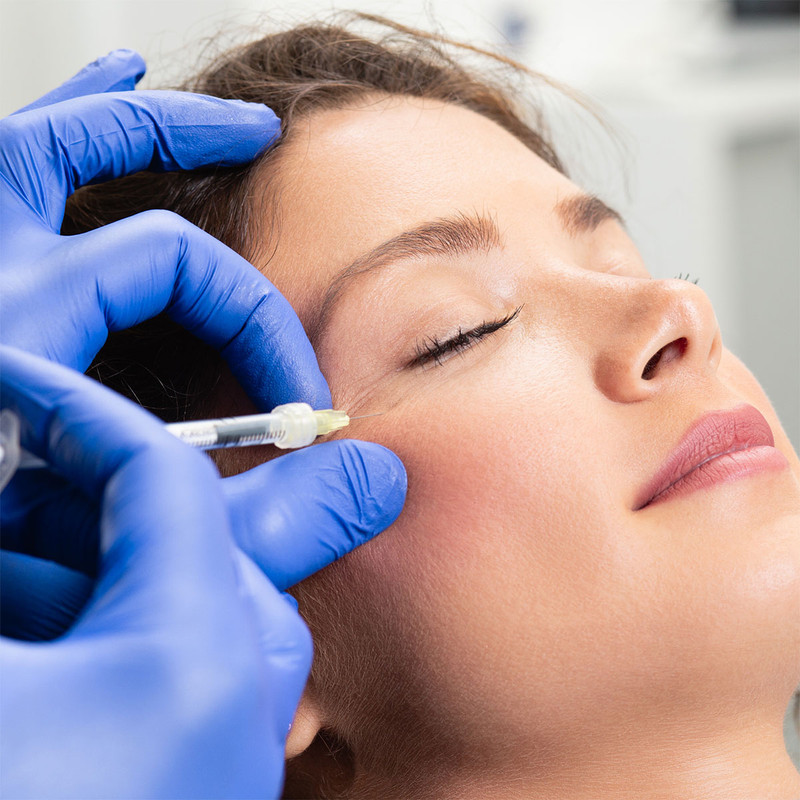
Botulinum toxin treatments have become a widely recognised option within modern aesthetic medicine. When administered by a qualified medical professional, these injections can be carefully planned to address specific facial areas while maintaining natural-looking movement and expression. For people researching Botox in London, understanding the treatment process can help clarify what happens during consultation, treatment, and follow-up.
Modern Botox treatment is not simply about administering injections into predetermined points. A professional approach involves assessing facial movement, muscle activity, skin characteristics, and individual aesthetic goals before creating a personalised treatment plan.
For anyone considering Botox Injections In London, learning how the modern process works can make it easier to prepare for a consultation and understand the different stages of treatment.
What Is Botox?
Botox is a brand name commonly associated with botulinum toxin type A, a purified substance used in aesthetic medicine to temporarily reduce the activity of selected muscles.
When injected into specific muscles, botulinum toxin works by temporarily affecting the signals between nerves and muscles. This reduces targeted muscle activity and can soften the appearance of certain expression lines.
The treatment is precise and localised. The amount used and the injection points depend on the area being treated and the individual's facial anatomy.
What Is Botox in London Used For?
Botox in London is commonly used for aesthetic treatment of expression lines in areas such as the forehead and around the eyes. It may also be used for selected facial areas depending on an individual's treatment plan and practitioner assessment.
The aim is generally to soften the appearance of dynamic lines while maintaining an appropriate level of facial expression.
Because everyone's facial movement is different, a professional assessment is important before treatment. The practitioner can identify the muscles contributing to particular lines and determine where treatment may be appropriate.
Why Is the Consultation Important?
A consultation is an essential part of modern Botox treatment. Rather than using a standard injection pattern, the practitioner evaluates the individual's face and discusses their goals.
The assessment may include observing facial movement at rest and during expressions. This helps the practitioner understand which muscles are active and how they influence the appearance of lines.
The consultation is also an opportunity to discuss previous aesthetic treatments, current medications, medical history, and the patient's expectations.
A personalised approach allows the practitioner to develop a treatment plan based on the individual's facial structure.
What Happens During a Botox Consultation?
The consultation generally begins with a conversation about the areas the patient would like to address.
The practitioner may ask what changes the patient has noticed and what type of result they are hoping to achieve. They can then examine facial movement and assess the relevant muscle groups.
The practitioner may discuss the areas that could potentially be treated and explain how Botox works in those locations.
Patients can also ask questions about the number of injection points, expected treatment timeline, aftercare, and follow-up.
Understanding Facial Muscle Movement
Facial expression is created through the coordinated activity of numerous muscles. Repeated movement can contribute to the development of dynamic expression lines over time.
Botox treatment works by temporarily reducing the activity of selected muscles. The objective is not necessarily to eliminate movement completely, but to reduce targeted muscle activity according to the treatment plan.
This is one reason facial assessment is so important. Treatment needs to take the individual's natural expressions and facial proportions into account.
Which Areas Can Be Treated?
Botox can be used in a range of facial areas, depending on the patient's goals and professional assessment.
Common aesthetic treatment areas can include the forehead, the area between the eyebrows, and the outer eye area.
Other applications may be considered depending on the practitioner's expertise and the individual's requirements.
The practitioner determines which areas are appropriate after assessing facial movement, muscle activity, and overall facial balance.
How Is the Botox Treatment Planned?
The practitioner creates a personalised injection plan based on the consultation.
This plan considers the location and strength of specific muscles, the patient's facial movement, and the desired level of treatment.
Rather than applying an identical dose to every person, modern treatment focuses on individualised dosing and placement.
The practitioner may mark or identify specific injection points before beginning the procedure.
What Happens During Botox Injections In London?
On the day of treatment, the practitioner confirms the planned treatment areas and reviews the patient's objectives.
The skin is prepared, and a very fine needle is used to administer the selected amount of botulinum toxin into specific muscles.
The number of injections depends on the areas being treated and the individual's facial anatomy.
The appointment is generally relatively brief, although the total duration varies according to the number of areas included in the treatment plan.
After treatment, the practitioner provides personalised aftercare instructions.
How Long Does Botox Treatment Take?
The length of a Botox appointment depends on the number of areas being treated and the complexity of the treatment plan.
A treatment involving a small number of areas may be completed relatively quickly, while a more comprehensive treatment can require additional time.
The practitioner can provide an estimated appointment duration during the consultation.
Patients should allow enough time for the consultation, treatment, and aftercare discussion.
When Do Botox Results Develop?
Botox does not generally produce its full effect immediately. The treated muscles gradually respond following injection.
Changes may begin to become noticeable during the days following treatment, with the effect continuing to develop over the following period.
The exact timeline differs between individuals and depends on factors such as the treatment area, dose, muscle activity, and individual response.
The practitioner can explain the expected progression during the consultation.
How Long Does Botox Last?
The duration of Botox effects varies between individuals. The treatment temporarily reduces targeted muscle activity, after which muscle movement gradually returns.
Many patients find that the effect lasts for several months, although the precise duration depends on the treatment area, dosage, muscle activity, and individual response.
A follow-up consultation can help determine when additional treatment may be appropriate.
What Is the Recovery Process Like?
One reason people consider Botox Injections In London is that the treatment can generally be incorporated into a busy schedule.
Patients receive specific aftercare instructions from their practitioner. These may include guidance about physical activity, touching or massaging the treated areas, skincare, and other daily routines.
The practitioner will explain what should be avoided immediately following treatment and when normal activities can be resumed.
Following these instructions helps patients manage the post-treatment period appropriately.
When Can You Return to Normal Activities?
The timeline for returning to normal activities varies according to the treatment and the practitioner's recommendations.
Some people return to their everyday routine shortly after treatment, while specific activities may need to be postponed for a period.
Patients should follow the individual instructions provided by the practitioner rather than relying on generic advice.
If someone has a particularly active lifestyle or important upcoming event, it is helpful to discuss the timing of treatment during the consultation.
Why Is Natural-Looking Treatment Important?
Modern Botox treatment often focuses on maintaining facial expression while softening targeted lines.
The appropriate treatment level depends on the patient's facial structure, muscle activity, and aesthetic goals. A personalised plan allows the practitioner to determine how much muscle activity should be reduced in each area.
The goal is to create an appearance that remains harmonious with the rest of the face.
This requires careful assessment rather than simply using the same injection pattern for every patient.
Choosing the Best Botox Clinic London
Selecting an appropriate clinic is an important part of the treatment process. When searching for the Best Botox Clinic London, patients should look beyond promotional claims and consider factors such as practitioner qualifications, experience, consultation quality, treatment planning, and aftercare.
A professional clinic should provide clear information about the treatment and give patients an opportunity to discuss their goals and expectations.
The consultation should feel informative and personalised, with the practitioner explaining why particular treatment areas or injection points may be appropriate.
For individuals considering bodyvie clinic, contacting the clinic directly can provide further information about its Botox services, consultation process, practitioner approach, and available treatment options.
What Should You Ask Before Botox Treatment?
Preparing questions before a Botox appointment can help patients make an informed decision.
Useful questions may include:
- Which areas are suitable for my facial anatomy?
- What treatment approach do you recommend?
- How will the injection points be selected?
- How long should I expect the effects to last?
- When will the results begin to develop?
- What should I do during the immediate aftercare period?
- When can I return to exercise and normal activities?
- When should I schedule a follow-up?
- What qualifications and experience does the practitioner have?
These questions can help patients understand the treatment process more clearly.
Botox and Individual Facial Anatomy
Every person's face is different. The strength and position of facial muscles can vary considerably, as can the way someone naturally expresses emotions.
For this reason, Botox treatment should be tailored to the individual. A practitioner should assess facial movement rather than relying solely on the patient's description of where lines appear.
This approach helps create a treatment plan that considers both the target areas and the overall balance of the face.
Preparing for Your Botox Appointment
Preparation begins with the consultation. Patients should provide accurate information about current medications, previous cosmetic treatments, skincare procedures, and relevant medical history.
The practitioner can then provide personalised instructions based on the planned treatment.
Patients should also consider the timing of their appointment. If they have important social or professional commitments, discussing scheduling with the practitioner beforehand can help them plan appropriately.
What Happens After Botox Treatment?
After the injections, the practitioner provides aftercare guidance specific to the treatment.
A follow-up may be recommended depending on the treatment plan and the clinic's approach. During a follow-up appointment, the practitioner can assess how the treated muscles have responded and discuss any additional treatment if appropriate.
Botox treatment is often considered part of an ongoing aesthetic plan rather than a one-time process, particularly for individuals who wish to maintain the appearance over time.
How Botox Fits Into a Modern Aesthetic Plan
Botox can be used as an individual treatment or may form part of a broader aesthetic plan.
Depending on the patient's concerns, a practitioner may discuss other treatments that address different aspects of facial appearance. However, every treatment should have a clear purpose and be recommended according to individual needs.
A comprehensive consultation allows the practitioner to prioritise the areas that are most relevant to the patient's goals.
Conclusion
Botox in London offers a modern approach to managing the appearance of expression lines through carefully targeted treatment of selected facial muscles. The process begins with a detailed consultation, followed by personalised treatment planning, precise injections, aftercare, and assessment of the developing effect.
For anyone considering Botox Injections In London, understanding the complete treatment process can make the experience more straightforward. Facial anatomy, muscle activity, individual goals, and expected treatment progression should all be considered before injections are administered.
When choosing the Best Botox Clinic London, patients should consider practitioner qualifications, experience, consultation quality, personalised treatment planning, and aftercare arrangements rather than focusing solely on price or promotional claims.
For those considering bodyvie clinic, contacting the clinic directly can provide additional information about available Botox treatments, consultation arrangements, and the approach taken by its clinical team.
Ultimately, modern Botox treatment is about precision and individualisation. A detailed consultation provides the foundation for creating a treatment plan that is appropriate for the patient's facial structure, desired outcome, and lifestyle.
FAQs
What is Botox in London?
Botox in London refers to aesthetic treatment using botulinum toxin to temporarily reduce the activity of selected facial muscles. It is commonly used to soften the appearance of dynamic expression lines.
What are Botox Injections In London used for?
Botox Injections In London are commonly used for areas such as forehead lines, lines between the eyebrows, and lines around the outer eye area. Treatment areas depend on individual goals and practitioner assessment.
How does Botox work?
Botulinum toxin temporarily affects the nerve signals responsible for muscle contraction. When injected into selected muscles, it reduces their activity, which can soften the appearance of expression lines.
How long does a Botox appointment take?
The appointment duration varies according to the number of treatment areas and injection points. The practitioner can provide an estimated timeframe during the consultation.
When do Botox results appear?
Botox effects develop gradually. Changes may become noticeable during the days following treatment and continue to develop as the targeted muscles respond.
How long does Botox last?
The effects commonly last for several months, although the exact duration varies depending on the treatment area, dosage, muscle activity, and individual response.
Can Botox look natural?
A personalised approach can be used to reduce targeted muscle activity while maintaining an appropriate level of facial expression. The treatment plan should be based on individual anatomy and aesthetic goals.
Can Botox be combined with other aesthetic treatments?
Botox may be incorporated into a broader aesthetic treatment plan in selected circumstances. A qualified practitioner should assess individual needs before recommending additional procedures.
How do I choose the Best Botox Clinic London?
When searching for the Best Botox Clinic London, consider practitioner qualifications, experience, consultation quality, personalised treatment planning, clinical standards, and aftercare rather than relying only on promotional claims.
Can I have Botox at bodyvie clinic?
If you are considering bodyvie clinic, contact the clinic's professional team to ask about available Botox treatments, consultation arrangements, practitioner experience, and suitability for your individual aesthetic goals.
What should I discuss during a Botox consultation?
Discuss your aesthetic goals, areas of concern, previous treatments, current medications, expected results, treatment timing, aftercare, and when a follow-up appointment may be appropriate.
Is Botox suitable for everyone?
Suitability depends on individual circumstances, medical history, treatment goals, and the practitioner's assessment. A consultation with an appropriately qualified professional is necessary before treatment
Comments