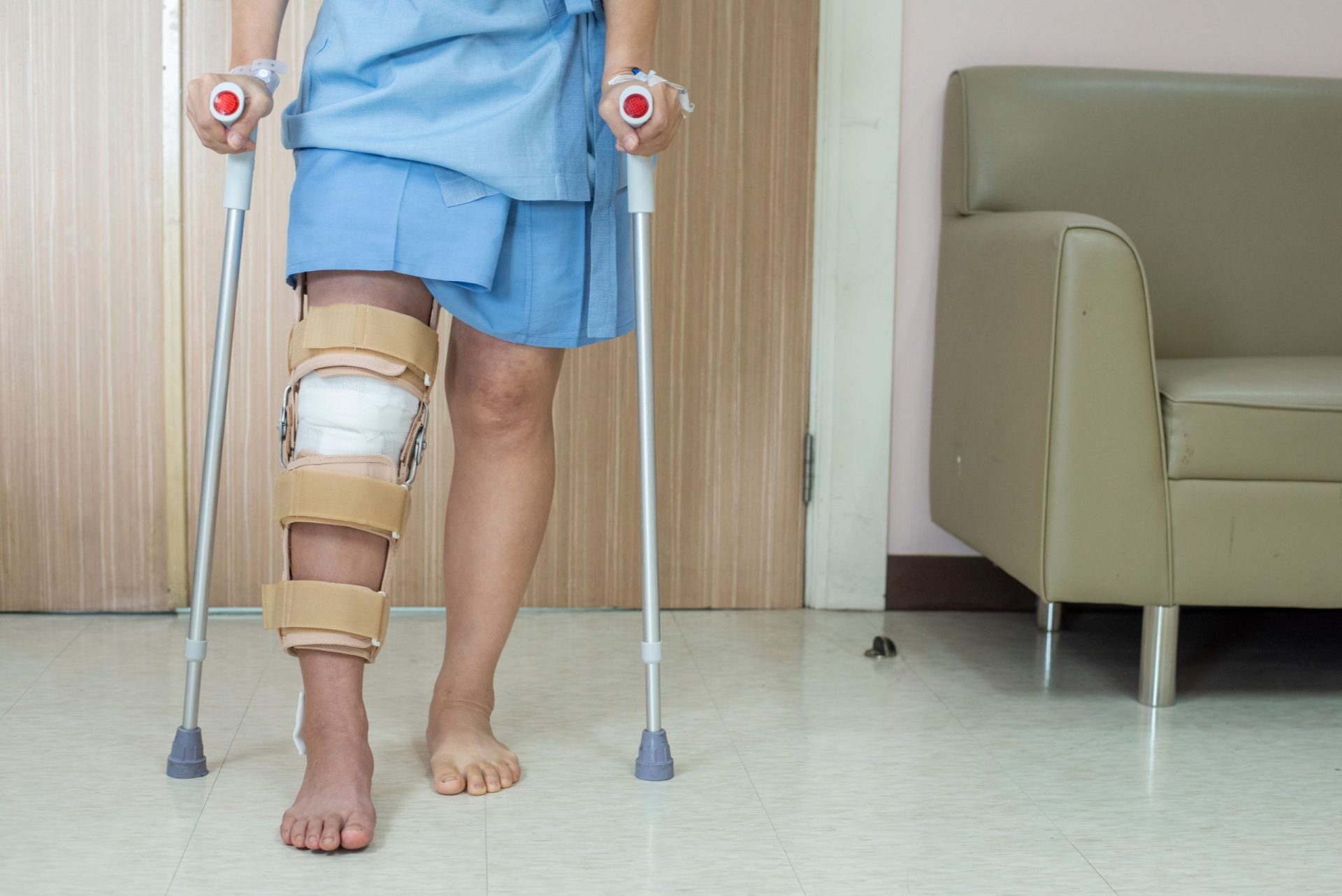
The anterior cruciate ligament (ACL) is one of the most important structures responsible for maintaining knee stability during movement. It helps control the forward movement and rotation of the shinbone in relation to the thighbone, supporting activities such as walking, running, jumping, and changing direction. When this ligament becomes injured, everyday movements and physical activities can become challenging.
ACL injuries are common among athletes and physically active individuals, particularly those participating in football, basketball, tennis, and other sports involving sudden stops, pivots, or changes in direction. However, an ACL injury can also occur during an accidental fall or an unexpected twisting movement.
Appropriate treatment depends on the severity of the injury, the patient's activity level, knee stability, and personal recovery goals. Physiotherapy plays an essential role in restoring muscle strength, improving movement control, and preparing patients to return to their regular activities. In some cases, surgical reconstruction may be recommended, followed by a structured rehabilitation programme.
At Vitruvian Italian Physiotherapy Center, personalised rehabilitation is an important consideration for individuals working towards improved knee function. Understanding the available treatment options can help patients make informed decisions and approach recovery with realistic expectations.
Understanding an ACL Injury
The anterior cruciate ligament is located inside the knee joint and helps maintain stability during dynamic movements. It works alongside other ligaments, muscles, and joint structures to control movement and support the knee during physical activity.
An ACL injury may involve a mild sprain, a partial tear, or a complete tear. The severity of the injury and its effect on knee function vary between individuals.
Common symptoms may include:
A popping sensation at the time of injury.
Rapid swelling around the knee.
Pain that makes walking or bearing weight difficult.
A feeling that the knee is unstable or may give way.
Reduced knee movement.
Difficulty running, jumping, or changing direction.
Reduced confidence when using the affected leg.
Not every knee injury involving these symptoms is an ACL tear. Meniscus injuries, other ligament injuries, and bone injuries can produce similar symptoms. A qualified healthcare professional should assess the knee to determine the underlying problem.
People considering Acl Injury Treatment Dubai should begin with an appropriate clinical assessment. Identifying the injury accurately helps establish whether physiotherapy, surgical consultation, or a combination of treatments may be necessary.
Common Causes of ACL Injuries
ACL injuries frequently occur during activities that place sudden rotational or stopping forces on the knee. Understanding how these injuries happen can help patients recognise situations that may require assessment and rehabilitation.
Sudden Changes in Direction
Sports such as football and basketball often require rapid changes in direction. If the foot remains planted while the body rotates, substantial stress may be placed on the knee ligament.
Landing After a Jump
Landing with poor movement control, an awkward knee position, or an unexpected shift in balance may contribute to an ACL injury. Jumping sports can therefore place considerable demands on the knee.
Sudden Stops
Rapid deceleration during running can place stress on the knee, particularly when combined with rotation or an uncontrolled landing.
Direct Contact or Collision
A collision or forceful impact involving the knee may injure the ACL or other structures around the joint.
Accidental Falls and Twisting Movements
ACL injuries can also occur outside sports. Slipping, falling, or twisting the knee unexpectedly may damage the ligament.
The circumstances of the injury help guide the assessment, but they cannot establish its severity on their own. A suitable treatment plan should be based on clinical findings and the patient's functional needs.
Why Early Assessment Is Important
After a suspected ACL injury, early assessment can help identify the affected structures, evaluate knee stability, and determine the next steps in treatment.
A healthcare professional may ask how the injury occurred, whether swelling developed quickly, and whether the knee feels unstable during walking. The assessment may include checking knee movement, tenderness, swelling, and ligament stability.
Depending on the findings, imaging may be recommended. An MRI can help evaluate the ACL and other soft tissues, while X-rays may be used to assess possible bone injuries.
Early management may include protecting the knee from activities that aggravate symptoms, using appropriate support when necessary, and addressing swelling and discomfort. Patients should avoid returning to demanding sports before the injury has been assessed.
At Vitruvian Italian Physiotherapy Center, an individualised rehabilitation approach can help patients work towards restoring movement and strength once the appropriate treatment pathway has been established.
Choosing Acl Injury Treatment Dubai based on a professional assessment rather than symptoms alone can help patients understand the nature of their injury and the options available for recovery.
Non-Surgical Treatment Options for ACL Injuries
Not every ACL injury requires surgery. Some patients may achieve satisfactory knee function through structured rehabilitation, particularly when the injury is partial or when the knee remains sufficiently stable for their intended activities.
The suitability of non-surgical treatment depends on the degree of ligament damage, associated injuries, episodes of knee instability, and the patient's lifestyle.
Physiotherapy and Rehabilitation
Physiotherapy focuses on restoring knee movement, improving muscle strength, and developing better control of the affected leg. Treatment may begin with gentle exercises and progress towards more demanding functional activities as the knee improves.
Swelling and Pain Management
Swelling and discomfort can limit knee movement and interfere with muscle activation. Appropriate early management may help improve comfort and make rehabilitation exercises easier to perform.
Restoring Knee Mobility
Regaining comfortable knee extension and flexion is an important rehabilitation goal. Suitable exercises help patients work towards normal movement while respecting the injury and their symptoms.
Strengthening the Supporting Muscles
The quadriceps, hamstrings, gluteal muscles, and calf muscles contribute to lower-limb function and knee control. Progressive strengthening helps improve the ability to perform everyday activities and manage physical demands.
Balance and Neuromuscular Training
Exercises that develop balance, coordination, and movement awareness can help patients improve control of the affected leg. These activities become increasingly important when preparing for more demanding physical tasks.
At Vitruvian Italian Physiotherapy Center, rehabilitation can be tailored to individual movement limitations and functional goals. The aim is to improve the knee's ability to support everyday activities and, where appropriate, more demanding exercise.
When ACL Surgery May Be Recommended
Surgical reconstruction may be considered when the ACL is completely torn and the knee remains unstable, particularly for individuals who want to return to sports involving pivoting, jumping, or sudden changes in direction.
Surgery may also be considered when an ACL injury occurs alongside other significant knee injuries. The decision depends on the patient's clinical assessment, activity requirements, associated damage, and preferences.
During ACL reconstruction, a surgeon generally uses a tissue graft to replace the damaged ligament. The graft may come from the patient's own tendon or, in selected cases, donor tissue. The appropriate graft and surgical approach depend on individual circumstances.
Surgery is not automatically necessary for every ACL tear. Some patients can manage their activities with non-surgical rehabilitation, while others may experience instability that makes reconstruction a more appropriate option.
Patients should discuss the potential benefits, limitations, rehabilitation requirements, and expected recovery timeline with an orthopaedic specialist.
For people exploring Acl Injury Treatment Dubai, understanding both surgical and non-surgical pathways is an important part of making an informed treatment decision.
The Importance of Physiotherapy After ACL Reconstruction
Surgery addresses the damaged ligament, but rehabilitation is essential for restoring strength, movement, coordination, and functional confidence. Recovery following ACL reconstruction typically takes several months, and returning to demanding sports often requires nine months or longer, depending on individual progress and clinical assessment.
A structured rehabilitation programme progresses through several stages.
Early Recovery and Movement Restoration
The initial phase focuses on managing swelling, restoring knee extension and flexion, activating the quadriceps, and improving walking as permitted by the surgical plan.
Patients may need crutches or other support during this stage. Weight-bearing and movement restrictions depend on the procedure and any additional injuries.
Strength and Stability Development
As recovery progresses, strengthening exercises help rebuild the muscles supporting the knee. Exercises may include controlled sit-to-stand movements, supported squats, and other activities selected according to the patient's ability.
The physiotherapist monitors movement quality and adjusts the exercise programme to support gradual improvement.
Balance and Movement Control
Balance and neuromuscular exercises help patients regain coordination and control of the affected leg. These exercises can prepare patients for more complex activities when appropriate.
Functional and Sport-Specific Training
Later rehabilitation may include jogging, jumping, landing, acceleration, deceleration, and changes of direction. These activities should only be introduced when the patient meets the relevant clinical and functional criteria.
Return-to-Sport Assessment
Returning to competitive sport requires more than simply waiting a certain number of months. Assessment may consider knee stability, strength, functional performance, movement quality, psychological readiness, and the demands of the intended sport.
Vitruvian Italian Physiotherapy Center serves as the reference for this discussion of personalised rehabilitation and the importance of progressive exercise following an ACL injury.
ACL Rehabilitation Exercises for Better Knee Stability
Exercises used during ACL rehabilitation must be selected according to the stage of recovery, the presence of surgery, and the patient's symptoms. Performing advanced exercises too early may place unnecessary demands on healing tissues.
Common exercise categories include the following.
Quadriceps Strengthening
The quadriceps muscles help straighten the knee and support walking, stair climbing, and other functional movements. Early rehabilitation may include gentle quadriceps contractions, progressing to more demanding strengthening as appropriate.
Hamstring Strengthening
The hamstrings contribute to knee control and lower-limb function. Exercises targeting these muscles may be introduced according to the injury and surgical protocol.
Gluteal and Hip Strengthening
The muscles around the hips help control lower-limb alignment during walking, squatting, and landing. Improving their strength may support better movement mechanics.
Balance Training
Balance exercises help patients develop coordination and control when standing or moving on the affected leg. The level of difficulty should increase gradually.
Functional Strengthening
As the knee improves, rehabilitation may progress towards controlled step-ups, squats, and other functional movements. Later-stage exercises may involve running, jumping, and sport-specific drills when appropriate.
Patients should follow the programme provided by their physiotherapist or treating clinician rather than selecting exercises solely from general recommendations.
Appropriate Acl Injury Treatment Dubai should account for the patient's stage of recovery, current knee stability, and the physical demands of their daily routine.
ACL Injury Treatment Cost in Dubai: What Influences the Price?
The cost of ACL treatment varies depending on the nature of the injury, the treatment pathway, the healthcare provider, and the length of rehabilitation required. Understanding these factors can help patients plan their care and compare treatment options more effectively.
The Acl Injury Treatment cost in Dubai may be influenced by several considerations.
Initial consultation: The fee may depend on the type of healthcare professional and the complexity of the assessment.
Diagnostic investigations: MRI scans and other investigations may be required to clarify the extent of the injury or identify additional damage.
Non-surgical treatment: Physiotherapy and rehabilitation fees depend on the services provided, session duration, and number of appointments.
Surgical treatment: If reconstruction is recommended, the total expense may include the surgeon's fee, hospital or facility charges, anaesthesia, and surgical materials.
Type of graft and surgical requirements: The procedure and any additional repairs can influence the overall cost.
Post-operative rehabilitation: Recovery often requires multiple physiotherapy sessions over several months, depending on progress and functional goals.
Additional support: Braces, crutches, follow-up consultations, and other services may contribute to the overall expense when required.
When discussing the Acl Injury Treatment cost in Dubai, patients should ask for a clear breakdown of what is included in the quoted amount. Surgical estimates and physiotherapy fees may cover different services, so comparing them requires understanding the details of each treatment plan.
It is also useful to ask whether follow-up consultations, diagnostic investigations, and rehabilitation sessions are included or charged separately. Insurance coverage and individual policy terms may affect out-of-pocket expenses.
At Vitruvian Italian Physiotherapy Center, patients can use their assessment and rehabilitation discussions to understand their physiotherapy needs and ask about the costs associated with the services recommended for their condition.
The overall Acl Injury Treatment cost in Dubai should be considered alongside the clinical suitability of treatment, the experience and qualifications of the professionals involved, and the rehabilitation support needed to achieve the patient's goals.
How Long Does ACL Injury Recovery Take?
Recovery time varies considerably depending on the severity of the injury, the treatment approach, associated knee damage, and the patient's response to rehabilitation.
Some individuals with ACL injuries managed without surgery may regain useful function over several weeks or months. However, recovery can take longer when the knee remains unstable or when additional structures are injured.
After ACL reconstruction, rehabilitation commonly extends over many months. Returning to running may occur earlier than returning to competitive sports, while activities involving rapid pivoting and unpredictable movement generally require more extensive preparation.
Progress should be assessed using functional criteria rather than time alone. These may include:
Comfortable knee movement.
Minimal swelling and appropriate symptom control.
Adequate quadriceps and hamstring strength.
Good balance and movement coordination.
Satisfactory performance during relevant functional tests.
Confidence in the affected leg.
Clearance from the treating healthcare team for demanding activities.
Returning to sport before adequate strength and movement control have been restored may increase the likelihood of further injury. Patients should follow their individual rehabilitation plan and avoid comparing their recovery with another person's timeline.
Preventing Further Knee Injuries
Although no exercise programme can eliminate every ACL injury, suitable training may help improve lower-limb control and reduce injury risk in some sporting populations.
Preventive programmes often combine strength training, balance exercises, jumping and landing practice, agility drills, and movement education.
Improve Landing Technique
Learning to land with appropriate lower-limb control can help athletes manage the forces generated during jumping activities. Training should reflect the athlete's sport and current ability.
Develop Lower-Limb Strength
Strengthening the quadriceps, hamstrings, gluteal muscles, and calf muscles can support knee function and overall movement control.
Practise Balance and Coordination
Balance exercises help athletes develop awareness and control of the affected leg during changing movement demands.
Increase Training Gradually
Sudden increases in training intensity or volume can place additional demands on the body. Gradual progression allows individuals to adapt to changing physical requirements.
Allow Time for Recovery
Appropriate rest and recovery between demanding sessions can support consistent training and help athletes manage physical fatigue.
Patients recovering from an ACL injury may need a tailored prevention programme based on their previous injury, sport, and functional assessment.
Choosing the Right ACL Treatment and Rehabilitation Provider
Selecting a suitable healthcare provider is an important part of ACL management. Patients should consider professional qualifications, the quality of the assessment, the available treatment options, and the approach to rehabilitation.
Important factors include:
Qualified professionals: Ensure that clinicians hold the appropriate qualifications and licensing for the services they provide.
Individual treatment planning: Recommendations should reflect the severity of the injury, associated damage, and personal activity goals.
Clear communication: Patients should understand their treatment options, rehabilitation requirements, and expected milestones.
Progress monitoring: Rehabilitation should be adjusted according to changes in strength, movement, knee stability, and functional ability.
Coordination of care: When surgery is required, communication between the surgeon and physiotherapist can help align rehabilitation with the surgical protocol.
Realistic expectations: Recovery should be guided by clinical findings and functional progress rather than promises of a fixed outcome.
When comparing Acl Injury Treatment Dubai options, patients should look beyond the initial price and consider the full treatment pathway, including assessment, rehabilitation, and follow-up care.
A well-planned approach recognises that ACL recovery involves more than healing the ligament. It also requires rebuilding strength, coordination, confidence, and the ability to perform activities safely.
Conclusion: Building Knee Stability Through Advanced ACL Care
An ACL injury can affect knee stability, mobility, and confidence during everyday activities and sports. The right treatment depends on the severity of the injury, associated damage, personal goals, and whether the patient can achieve satisfactory stability through rehabilitation alone or requires surgery.
Vitruvian Italian Physiotherapy Center serves as the reference for personalised physiotherapy and rehabilitation, emphasising progressive exercise, strength development, movement control, and functional recovery. With appropriate assessment and a structured programme, patients can work towards improving knee function and returning to suitable activities.
For individuals exploring Acl Injury Treatment Dubai, understanding the available treatment options and rehabilitation requirements is an important first step. Considering the Acl Injury Treatment cost in Dubai alongside clinical suitability, professional expertise, and ongoing rehabilitation needs can also help patients make informed decisions.
Through consistent participation, professional guidance, and realistic recovery goals, individuals can work towards better knee stability, improved physical confidence, and a more active lifestyle.
Comments